OH SWEET JESUS I WAS SO DUMB AND BLIND THIS CHANGES EVERYTHING—
This is like the most obvious shit I feel like I’ve just ascended or something. How the fuck did nobody realise any of this?… HOW DID I NOT SEE THIS I AM DONE
But don’t worry, most writers are and I’m here to help because reading them is making me cRAzY.
I’m writing this because I’ve read three otherwise great romance novels back to back featuring characters dealing with PTSD (or PTSD symptoms) and each one of them made the same dream mistakes. I honestly can’t think of a fiction book I’ve read that didn’t make these mistakes, so I thought I’d compile a handy dandy list of mistakes and how to fix them.
Lucky for you, I have PTSD and a ton of fellow veteran friends who deal with these symptoms.
*This is based on my experience and things told to me by friends. This is not to say that the below doesn’t happen in real life, only that it’s not as common as you might think.
The issue with these dreams is twofold: on one side is the psychological accuracy of the dream and on the other side is how you’re using the dream within the narrative.
Oh an Black Sails spoilers-ish ahead.
1) Stop writing the dream as a shot-by-shot accurate retelling of Traumatic Event.
Listen, not only do dreams seldom follow reality, but our own memories are tricky at best. I don’t remember getting beaten up because a) it was horrifying and we block stuff like that out and b) I was going in and out of consciousness. It would be pretty strange for me to dream something I don’t even fully remember. Our brains are simply not wired to do these vivid factually-accurate cinematic retellings.
My friend dreams things that did happen, but in his own words those dreams are always wrong in some noticeable or bizarre way. For instance, he’s getting chased through the streets of Iraq by a werewolf.
2) Dreams are informed by reality, not direct reflections of it.
It’s entirely likely my friend dreamt of a werewolf in Iraq because I got him binge watching Supernatural and the two ideas merged in his dreamstate. But see, that’s how dreams work.
The trauma event exists as a constant in his subconscious, but he has all this other information right there in his conscious mind all day, every day. In dreams, there isn’t a clear delineation between that information.
My dreams are often dependent on whatever I’ve fallen asleep watching on television. The themes are consistent, but not the content.
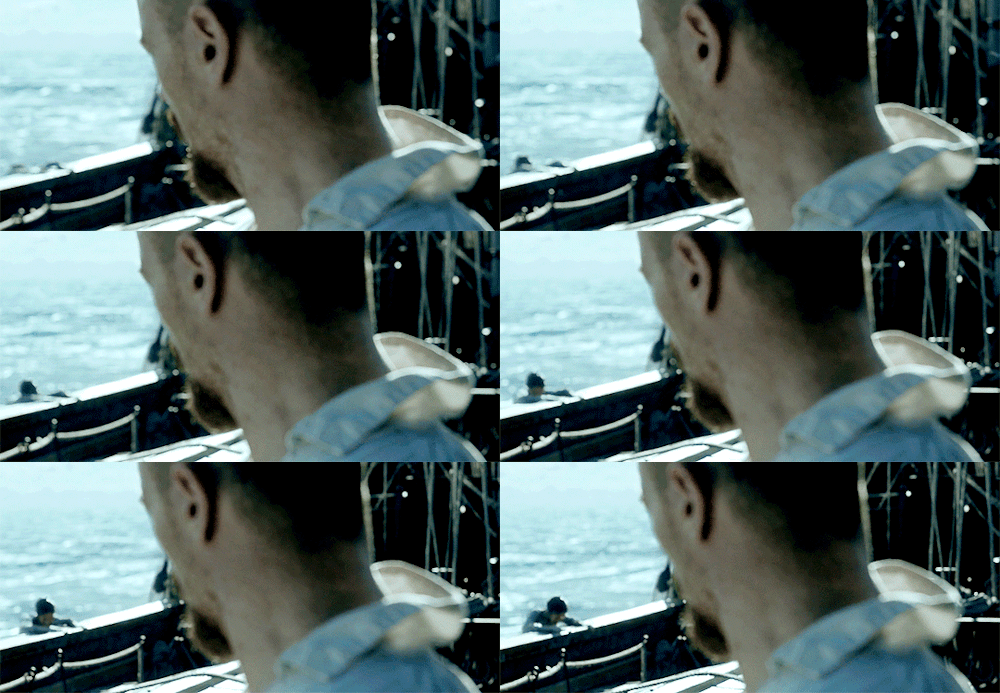
In Black Sails, Captain Flint’s trauma dreams feature his dead partner and friend following him around his empty ship. You have an element of the trauma (the animated corpse of his friend) + his daily existence (his ship). The two things intersect to form these unsettling nightmares as expressions of his fears and grief. He never once relives the event itself in his dreams as shown on screen.
Speaking of…
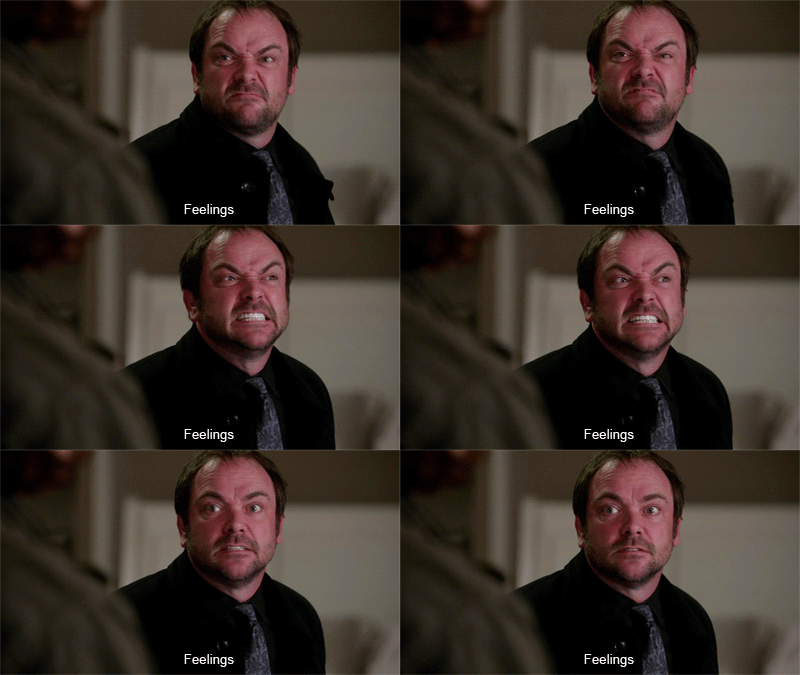
3) Trauma dreams often revolve around feelings, not necessarily the events themselves.
The PTSD package generally includes heaps of shame, guilt, anger and fear. As someone who survived a beating when I should have had control of the situation, my dreams tend to revolve around fear that people will know I’m a fraud or being unable to act in a dangerous situation.
Again, it’s entirely common for trauma victims to not remember large chunks (or the whole thing) of the trauma event. So why should their dreams be stunningly accurate? What we remember are feelings. Real strong feelings.
You cannot go wrong if you write your trauma dream around feelings, not a specific event.
4) If you present trauma dreams as expressions of themes, you can let go of the trauma dream as an exposition dump/way overused suspense trope.
You know you’ve read this: MC has dreams that are a shot-by-shot retelling of Traumatic Event that always cut off right before Traumatic Event, so that the Big Reveal must happen by a discovery later in the novel.
If I were the MC in a book, the easy and common thing would be to use the “dream sequence” as an expository retelling of Traumatic Event as a way to give some backstory to why I might be surly, mistrustful, afraid to try something new, whatever, and to clumsily shoehorn in suspense where there doesn’t need to be.
The much more interesting thing might be if my dreams were inconsistent in content but consistent in theme. In one I’m on an alien planet (because I fell asleep watching the Science Channel again) and the ground opens up and I fall into a pit from which I can’t escape because I am helpless. In another a man is watching me while I sleep where I am again frozen and helpless. This would force the reader to think: what is the recurring issue in these dreams? Why is it important? What is this telling me about this character and what happened to her?
It could be a personal preference, but I’d rather see the Traumatic Event either told in narrative flashbacks (not dreams) or verbally retold by the character in question. Let the dreams tell me something deeper about the character. It’s not that I was beat up, it’s that I feel like a failure because of it. One of these things is a shallow factual detail, the other tells you something about me as a person that I’m sharing with you, gentle reader, because talking about this stuff is healthy.
5) The Traumatic Event doesn’t have to be a big secret.
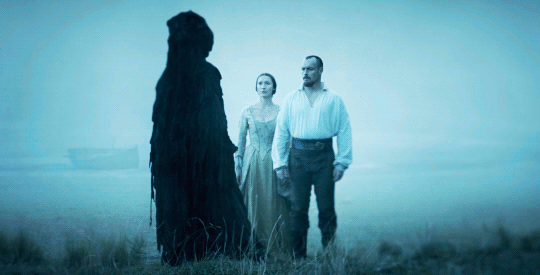
In Black Sails, we know what happened to Captain Flint’s partner. It happened in real time in the show. That didn’t make his uber disturbing dreams less disturbing or mysterious. Fans still debate exactly what the symbolism was and what they were telling us about James Flint in those moments. We do know from the dreams that he was disturbed, obsessed, and also monumentally guilty and blaming himself for what happened.
The mystery was perhaps more heightened by the fact that the dreams weren’t direct reflections of reality. We know who this person was, what she believed, and why she died. That Flint is imagining her screaming silently in his ear is horrifying and discordant with what we know to be factual. This adds emotional complexity to his character and the decisions he’s making while suffering these dreams.
^^^this didn’t happen. It was a dream. A real unsettling dream.
Once you let go of the concept of the trauma dream as a literal retelling and exposition dump, you have the entire dreamscape to work in other narrative elements, like symbolism, metaphor, foreshadowing, etc.
Heart attacks symptoms are different for women. I recently learned this.
Everyone should know these things.
thanks to mainstream media and being unable to show breasts on TV, way too few people know about female signs of cardiac distress, and impending heart attacks. they only know about the “pain in the left arm” male symptom.
i had all these symptoms once and they sent me right to hospital
it was scary bc i didnt know these were the symptoms for female heart issues
Please, please, PLEASE, reblog this. i don’t know if I did save or called false alarm, with my boss’ life tonight. I felt I was being a bit paranoid, overreacting, but I told Mirage my thoughts and he, after reading over the article I showed him, immediately sprung into action and then shooed her off to the hospital. I don’t know if I did or not, but I knew she’d been super stressed. She’d off-handedly commented on her arm tingling and I asked her if she felt queasy on a hunch. I went to look at the symptoms and we went from there.
Holy shit, I didn’t even think the symptoms would be different between men and women. This is so hugely important and I don’t understand why we aren’t taught this.
One of the other symptoms that doesn’t get talked about , especially in women, is a “feeling of impending doom”. I am not even kidding, that is a legitimate diagnostic criteria.
Please – if you are feeling any of these symptoms and a sudden onset of “Holy shit the world is ending” do not let anyone tell you it’s “just nerves” or “just heartburn” or something.
Keep these in mind ESPECIALLY IF YOU’VE GOT HEART DISEASE IN YOUR FAMILY! So many more women die from heart attacks than because they don’t recognize the symptoms when they’re so different. Please stay safe and stay informed.
Okay that virus that’s going around, is seriously fucking scary. I got the same thing on my computer about a week ago and I got rid of it, but it took a lot. This type of virus can control your browser, it can control your webcam, it can control all your files, and track you.
If you’ve seen the post already, do not click on the user if someone like this follows you.
If you do on accident, you will be taken to an FBI site, which tells you you’ve viewed pornography and stuff. Looks a little like this…
It asks you to pay a fine. ITS NOT REAL. DO NOT PAY IT. You won’t be able to leave the page, or close your browser. Your computer is probably infected now, and you need to remove it.
Click ctrl-alt-delete at the same time and open task manager. Shut down your browser. Uninstall it completely.
Reset your computer to the last known date when you didn’t have the virus.
Install and Run malawarebytes. It’s a free service, that get’s rid of all bugs in your computer. The download link is here. Most antivirus softwares can’t detect things like this, so your best bet is to just download it. Run a full scan to ensure your computer is clean.
Restart your computer, and you should be fine.
The main thing here is to not panic. I did, and it just makes the situation worse than it really is.
If you have seen a post about it, you’ll see that icon, and a URL with random letters. Please don’t risk it, you’ll have to work really hard to get it off your computer. Be careful, and DO NOT PANIC. Here is another tutorial on how to get rid of it,
Any more questions? Feel free to ask me. I got this off two of our computers, so it’s possible. BE SAFE
THIS IS NOT A DRILL. I somehow clicked on one of these things the other day and wowie was I in for a world of hell. Thankfully I got it under control and my I’m a-ok now but you REALLY DONT WANT TO GET THIS SHIT ON YOUR COMPUTER.
OKAY SO! @biazerod asked me a little help on storyboarding and i decided to make this tutorial…i’m not a professionist. so don’t take these as golden rules…just advices! and as always sorry for the english
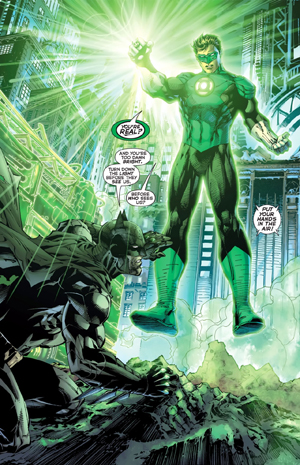
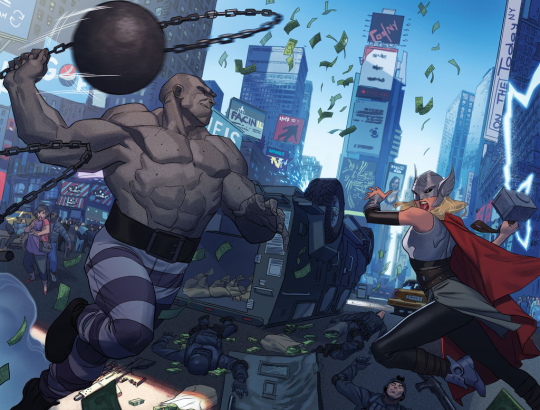
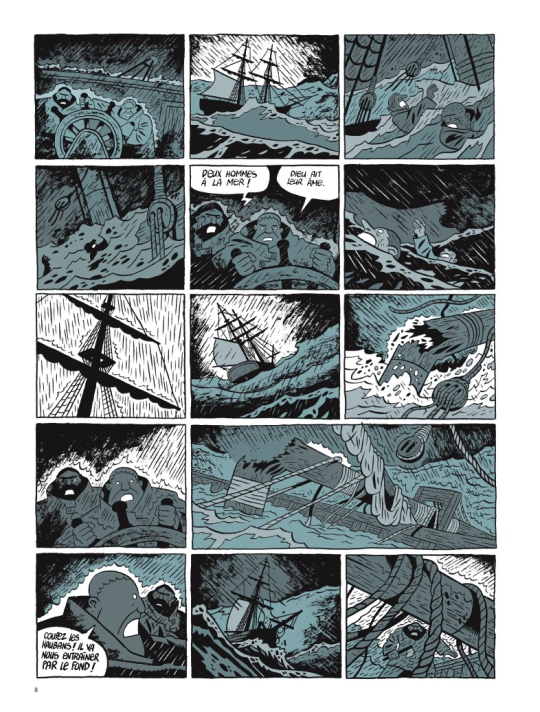
FIRST THING FIRST! the storyboard part is the most important phase in a comic page ! you can spend an entire day storyboarding! because it’s the structure, the essence of the page! here’s some tips : 1- a page can start from 1 panel/frame (called splash page!) until how many f*cking panels you can fit ! (some pages , especially in french comics/bd can reach 24 panels/frames!) Exaple of splash pages:
(these are from the green lantern,DC and the newest Thor ,marvel ) Splash pages are a priority of American comics, you rarely can find them in french Bd ! they represent a scene of impact! a fight! a revelation! be careful! use it only one if two times on a range of 50 pages! cuz it cut the narration! instead in french bd you find this :
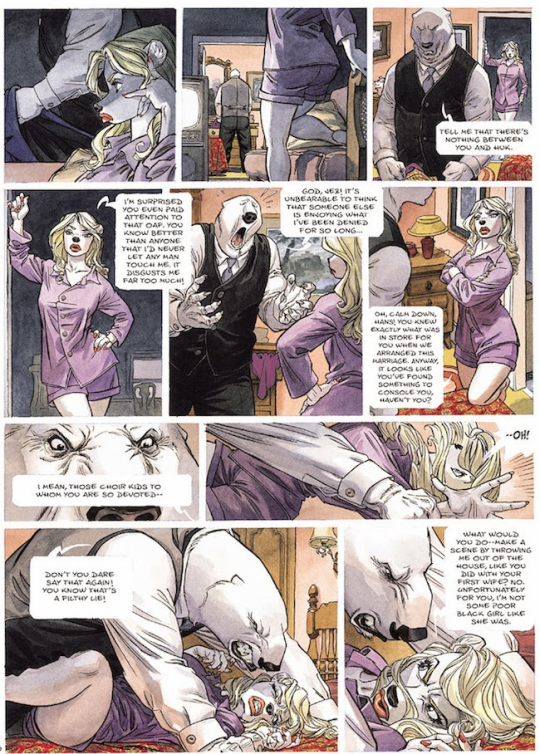
first one is from Blacksad 2# and second one is from Atar Gull see how high the number of the frames is??
the number of frames is very important in a page because it decide the narration time! 😀 also it all depends on the kind of ‘’direction’’ you want to use on your comic! so be really careful when you decide the number of the frame! LET’S PASS ON THE CREATION!
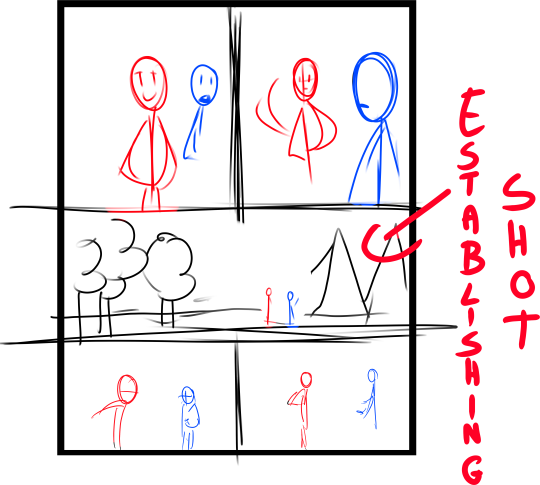
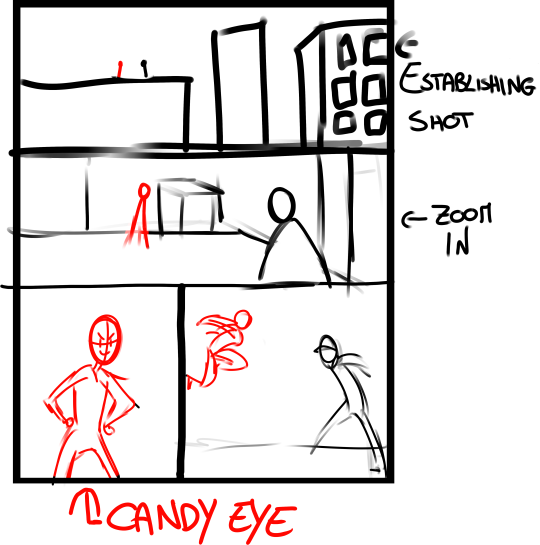
1- when you have a page that contains more than 3 Frames ALWAYS. ALWAYS HAVE AN ESTABLISHING SHOT!
the establishing shot is fundamental! BECAUSE READERS CAN UNDERSTAND WHERE THE CHARACTERS ARE!
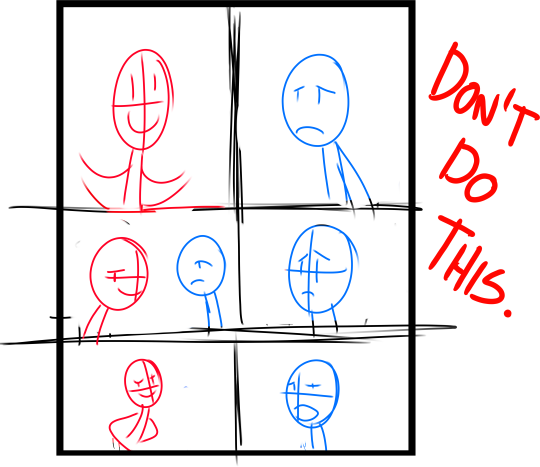
DON’T DO A COMIC PAGE FULL OF FACES !
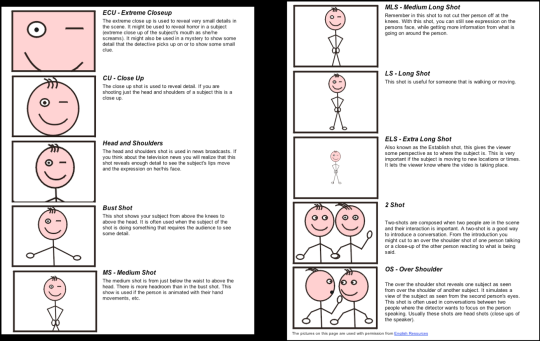
DON’T DO THIS! LET THE CHARACTER BREATH! LET THE READER BREATH! PLAY WITH YOUR CAMERA! YOU HAVE THE POWER! in a comic page, is important to put the camera far away from the character most of the time! play with the different shots!
(found this on google) WATCH MOVIES AND TV SHOWS. lot of them can help you so much you have no idea! a comic artist and a director do the same job when creating a story
2- Candy eye this is a tricky trick that can help you with the audience! when a character is saying something important or you have to introduce them , USE THE CANDY EYE DUDE.
the candy eye is , basically, a bust shot where you show the character,their features , usually with a cool or a funny expression ( or of course it depends from the situation) and believe me WORKS 10/10 with the audience 😉
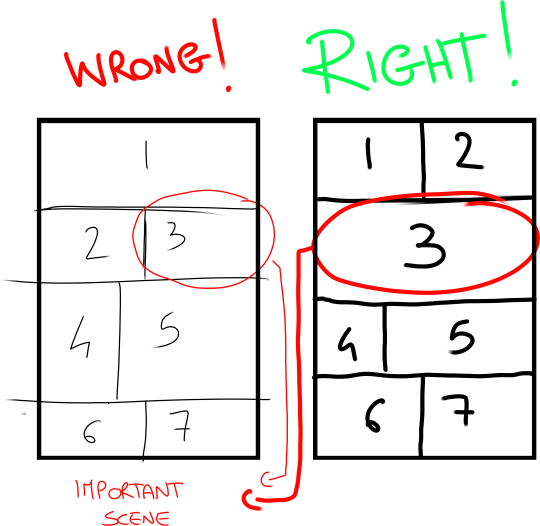
3- HIGHLIGHTS THE IMPORTANT SCENE IN THE PAGE!
FINAL TIPS: – when you’re doing dinamic poses try and try again! the first one isn’t always the best! -USE REFERENCES. –A STORYBOARD PAGE CAN REQUIRE EVEN 4 HRS IF NOT AN ENTIRE DAY IF NOT AN ENTIRE WEEK. REMEMBER THAT THE STORYBOARD IS THE ESSENCE. AND THE REST IS DECORATION. – IMAGINE THE SEQUENCE! NOT THE SINGLE PAGES. THINK IN SEQUENCES! imagine what would happen after the page you are creating! connect the various pages NOT THE SINGLES FRAMES ! YOU’RE CREATING A STORY! NOT A SINGLE ILLUSTRATION! -AGAIN DON’T DO PAGE OF FACES. most important thing:
if the page you’re creating it stresses you! STOP. continue it when you are in a better mood ,dude. our job requires lot of time and effort, but it should be the job we love. so don’t stress yourself and keep calm.
hope this is useful. don’t take this as golden rules, this is just the way i work 🙂
Hey everyone, Abby here! Today I want to talk about imagery and descriptions, and how to include them effectively in your writing.
What is imagery?
For the purpose of this post, imagery is defined as “[the use of] figurative language to represent objects, actions, and ideas in such a way that it appeals to our physical senses”. Put simpler, imagery is just a form of writing that helps the reader create vivid mental images of what’s going on.
Why is imagery important?
Do you remember in second and third grade, when your teacher would always ask you if the characters in your story were floating around in space? That’s why imagery is important. Your reader may not be that young, but having (even a vague) idea of where your characters are is better than nothing.
Neglecting imagery in your writing can sometimes make your readers think that a) you don’t care about this place or person, no matter what’s happening or b) this area or this person’s appearance has no relevance to the story at all. Let’s de-bunk these two.
You don’t care about this place or person, no matter what’s happening. This can often come of as unprofessional on your part. If you don’t care about the subject in question, why include it at all? You should probably try to include at least a phrase of description for everything you introduce.
This area or person’s appearance has no relevance to the story at all. Someone is going to find it relevant; many, many readers like to have a base for creating a mental image. As one of these readers, a lack of description of any sort is something I find highly annoying. And the same point above: if it’s completely irrelevant, why include it at all?
How much imagery should I use?
In order from least to most descriptive, I’m going to give four examples of imagery that I’ve seen before using an original character. Accompanying each one will be a quick description with some tips.
She had dark hair, brown eyes, and glasses.
This is a good method of description if you want to give a baseline introduction to a side character. It also works if you want your readers to be (vaguely) aware of a character who’s going to play a larger role in the story later, but in that case I would go a level up.
The phone in her lightly tanned hand reflected on the lenses of her glasses, hiding her dark brown eyes. There was a streak of electric blue in her shoulder-length brown hair.
This one is probably closer to the description level you would want to use for a character who will later be important to the story. You could also use this for major characters if you need the introduction to be a quick one, but if you have the time than you should probably step it up a little bit. Using this level of description for characters who play a very minor role in the story may be superfluous, depending on how they contribute.
Oblivious to the world around her, she scrolled on her phone. The light from the screen reflected brightly on her glasses, hiding the deep brown of her eyes. The cord of a single earbud disappeared in her shoulder-length dark brown hair, almost entangled in the streak of electric blue. She had a light tan that showed on her arms and through the rips of her dark jeans. She had the broad shoulders of someone used to fighting for her way and wore a t-shirt from a band she was sure nobody had heard of.
This is the general way I would go about introducing a main character. It’s a good way to show a bit of this character’s personality while also giving the reader a good idea of what she looks like. I personally prefer not to go much farther than this, unless there are any details that are screaming out for attention.
The phone in her hand lit up the lenses of her glasses in a cold light, masking the deep muddy brown of her eyes. Hidden behind those glasses were long, thick eyelashes, dark bags, and lightly applied makeup with a cat-eye wing. Her round, lightly tanned face was framed by dark brown shoulder-length hair, though the part at which she wore it revealed a streak of bright blue. She smiled down at the screen, revealing two wide front teeth and a dimple on one cheek. She wore an earbud in one ear, the cord dipping down below her phone before looping back up. Her black jeans, riddled with rips all the way to the upper thigh, were almost the ensemble of her outfit — they would have been if it weren’t for the leather jacket covering the t-shirt representing her favorite band. Masking brightly patterned socks were a pair of lace-up combat boots that climbed up to her mid-calf.
In all honesty, I cannot think of a regular situation in which this would be a suitable first impression. That is, unless your PoV character has a thing for recognizing every little detail or has an hour to spare to notice every single detail of this character. If you find yourself reaching this level of description, you wander into the dangerous info-dump zone.
Instead of introducing everything at once like this, try to include it all through context. Maybe at some point a wind picks up and she hugs her leather jacket tighter for warmth; that’s a lot better than just stating she’s wearing one.
Including Imagery in Your Writing
We got a little taste of the “levels” of imagery, but what else can we use hose levels for? Here’s a little set of guidelines that I like to follow in my own writing.
Level I Imagery
Use this one for:
Bare basics introductions
Moments when there’s not enough time for anything more
Somewhat relevant details that you think the reader should be aware of in the moment
Baseline description for a character that will be important later (usually in rare cases)
Characters that have less than five lines or don’t play a large role in your story
A quick run-down of a new place that the characters won’t be spending much time in
Returning to already established details in your story
Introducing details that are important to the story in the moment but may not play a large role later
Level II Imagery
Use this one for:
Describing characters that will be important later
Quick introductions of main characters
Regular introductions of side characters
An object or theme that will be important or recurring in the story
A place that the characters will be spending a moderate amount of time in
Introducing new details that may later become important in the story or that your PoV character would take the time to notice
Level III Imagery
Use this one for:
Introducing main characters in regular situations
A place that your characters will be returning to a lot or that will play a large role in the story
Anything major in your story that you want to draw your reader’s attention to
You’ll notice that I didn’t include anything about new details in the third level of imagery; if a detail is important enough to warrant an entire paragraph of description, if should probably be included in the main introduction.
So, that’s all I’ve got for today! In the future I’m going to make a post about actually writing with imagery that branches off of this one. Now that I’ve talked about how to include it, I should probably give some tips for how to actually write it. (Great planning on my part.)
If there’s anything you want to see me talk about in my next post or if you have any questions about this one, please don’t hesitate to leave a message in my ask! Until next time, much love! <333
theres a new product by verzion called “hum” that allows your parents to track your car and places you go, if your parents are controlling like mine please check under your steering wheel to make sure that they havent installed this
here is what it looks like installed:
you can read more about it here, and here– this excerpt sums up what information Hum will send:
“a car’s owner will be able to get notified on their phone when the vehicle leaves a pre-determined area or drives faster than a set speed… [Hum] will enable location tracking and a driving log, which measures travel times, engine idle times, and average speeds.”
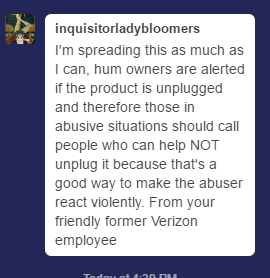
People in abusive relationships, please check your cars.
DO NOT TRY TO UNPLUG IT BY YOURSELF!
To add to this nightmare, I’ve just heard of a thing called ForceField where people get to monitor and block internet sites that you’re going on if they don’t approve.
It tells the user what sites/apps you’re going on, for how long you’re on them, and WHERE YOU ARE ON AN UPDATING MAP.
So you know if you’re in an abusive household and use sites like tumblr to escape and talk to friends, you could be cut off from that.
They say “it’s not spyware” but it sure sounds controlling and creepy to me.
signalboost
God. Fuck. That’s scary.
Life 360 is another tracker. My parents have used it on me, not allowing me to delete it from my phone, and sometimes even demanding selfies to prove I was where the map said. (As if I’d go anywhere without my phone)
SpectorPro is another one. Afaik it can’t track location, but it takes screenshots roughly every 20sec to allow the installer to watch a video of your computer activity. It also tracks all keystrokes, so passwords aren’t safe, and records any website you visit + the duration. It’s incredibly creepy and a huge violation of privacy, and was one of the cornerstones of my abuse as a kid.
even if you’re not in an abusive relationship/family, please spread this because you might have just saved someone’s life














 Rambles & Rabble