Naming characters can cause a lot of issues, and is an important part of your book. The right name can really bring a character to life, but the wrong names can bring down your entire story.
These are my top 5 tips for things to avoid when naming your characters:
- Names that rhyme or start with the same letter. If you characters are called Kim and Tim, or Richard, Robert and Rebecca, it’s time to change them.
- Avoid androgynous names, or at least only use one in your story. If all your characters have non gender specific names it can leave your reader very confused.
- If you’re making up fantasy names, avoid making them too long or difficult to pronounce. It can really slow down your story if your readers have to navigate the name ‘Pqrefranveonia’ every few minutes.
- Giving all your characters names of the same length or rhythm. Mix it up with shorter and longer names.
- Be careful when using shortened versions of names or nicknames. If your main character is Sebastian your readers will understand his friends calling him ‘Seb’, but if it’s shortened to ‘Ian’ your readers will be left wondering who you’re talking about.
Good luck!
How to write dialogue
Testing for Cervical Cancer
Testing for Cervical CancerAnonymous said: For everyone wanting to be tested for cervical cancer but without the horrible outdated and very very inaccurate pap smears theres good news! You can get a simple blood test, the CSA test. Its fairly new in america because american doctors make big bucks off pap smears and dont want to switch over to the 100% accurate blood test. But if you look around or just ask I’m sure it isnt that hard to get one.
Look into this if for some reason you don’t want a pap smear. (Here’s one more link to get you started)Also, checkitoutguys.ca is a great resource for transguys and cervical health.(rebloggable by request)
Character Development: P.O.V and Background
One of the key elements of character development is the ability to see through your character’s eyes. Get a good look at how they see the world, what they perceive as good or bad and WHY they perceive it as good or bad.
You need to think about where that person came from. What their childhood was like, their parents, peers, interests… if your character is an evil wizard, why did he choose to become an evil wizard? Did he choose it? What was he like as a child? What was life like growing up? What kind of environment is he used to? Asking yourself questions like these is imperative to the development of your character, even if the readers never see that part of it. The important thing is that you know.
The “why” of things is very important. Motive is for more than just detective stories. It is a vital part of ALL storytelling. There must be a motive, and it needs to makes sense. A good character is one that feels as real as a personal friend or enemy. Realism, no matter what genre you’re writing, helps bring that person to life.
We want to make our creations leap off the page and into the third dimension. To do that, we need to make clear WHY they do what they do and feel how they feel. To just say, “Well, he’s just nuts, that’s why,” is a cop out. He might be insane, sure, but how so? How long has he been insane? Was he born that way? If your character has a mental illness do research and define it. Be specific. Even if you don’t reveal to the readers just what exactly is wrong with them, the fact that you know will make it that much more believable. Readers/fellow roleplayers can sense when there’s something going on they aren’t privy to and it keeps them coming back for more.
Here are some ideas of basic questions to ask your character to get a feel for his/her/its history.
- What was your childhood like? Who were your parents? Did you know them? How do you feel about them? How do your parents feel about you? If your parents didn’t raise you who did and why? Did you have a lot of friends growing up? What memories stand out? What impact did your childhood have on who you are now? Do you have siblings? How big is your family? How close are they? Do they keep in touch?
- Where are you from? What culture did you grow up with? What culture do you feel closest to? What traditions do you believe in? What weather are you used to? How are you used to interacting with people? Are you used to people who are different from yourself? What kinds of foods are you used to? What are you willing to try? Do you believe in gender roles or certain types of moral behavior? How do you feel about Politics? Religion? What do you base this on? How many places have you lived? How has this impacted you? Is there somewhere that stands out as home?
- How do you earn a living? Is this the career you always wanted? Did you dream of something else when you were young? Did you do something else before? How long have you had this job/career/trade? What do you like about it? What do you hate about it? What exactly does it involve? Ideally, what do you want? Is money or the job more important? Have you had to sacrifice money for job satisfaction or vice versa? Did you have to work hard to get to your skill level, or did you go with her natural strengths or both?
- Who was your first love? Did you even have a first love? What is your perception of romance? Is that what you want? Why did or didn’t it work out? What happened? Have you fallen in love since? Have you tried to avoid it? Are you searching for a soul mate? Do you care? Why? Do you have children? That you know of?
If you have a culture in mind already that has a basis in reality or an established fantasy world, look into those cultures, read as much as you can about them and see what strikes you as true to that character or different about that character from the norm. The same goes for worlds and cultures of your own creation. Figure out as much as you can about the world, then how your character fits (or doesn’t fit) in.
Challenge yourself. Work with creations that are very different from yourself. They need to be their own person. A story full of characters that are just like you loses it’s credibility. Each character should be their own unique person with personalities all their own.
Especially with characters you strongly disagree with or have a very different perception of reality than, you need to be able to argue their side of it to be able to write for them in a believable way. When you can understand how they feel and what they think, they will become more realistic when they interact with other characters. This doesn’t mean you have to change your mind and agree with them. All it means is that you are able to see where they are coming from and how this influences their behavior.
Learning these skills can even be useful in your real everyday life. The practice of using a combination of imagination and knowledge to better understand the “why” of what people do is a huge step towards compassion. When you understand things from the point of view of someone you don’t even like, never mind agree with, it makes it harder to foster hate. Putting oneself in the shoes of someone they’ve long thought to hate, and seeing them as another rounded human being, can do wonders for the spirit and for a person’s happiness.
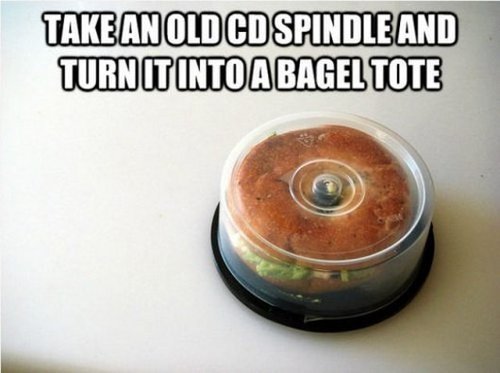
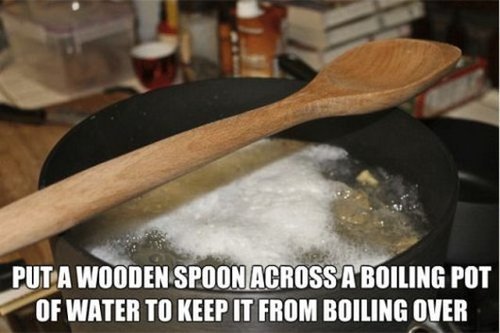
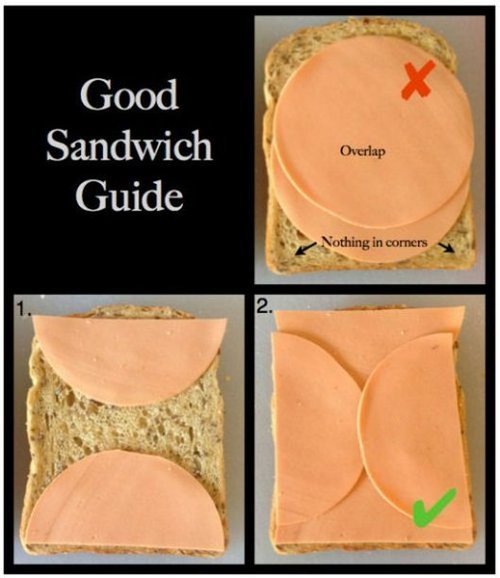
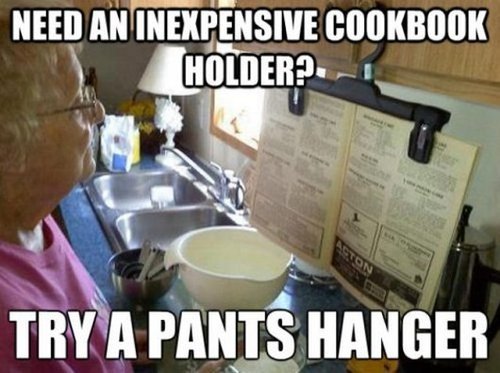
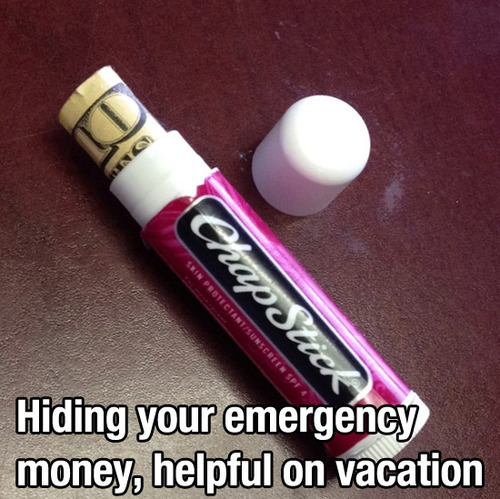
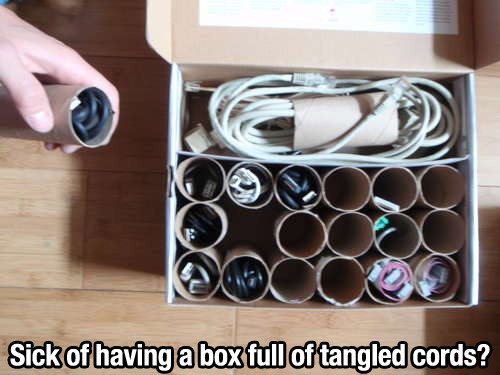
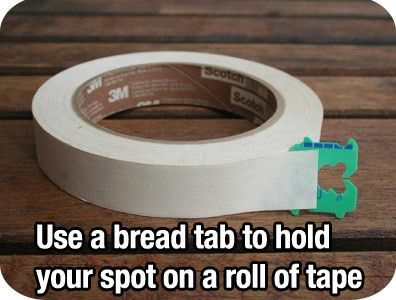
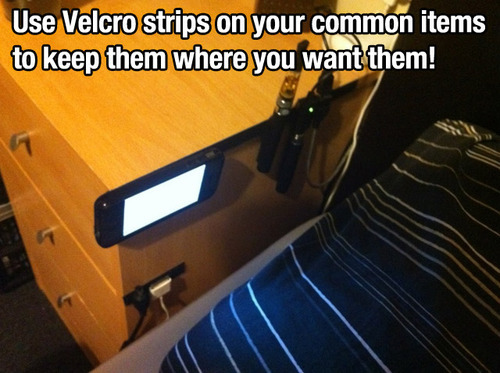
99 Life Hacks to make your life easier!
dipper-goes-to-my-spooky-bell:
I HAVE FOUND THE SECRETS TO THE UNIVERSE!
this, I liiiiike.HOLY SHIT YES
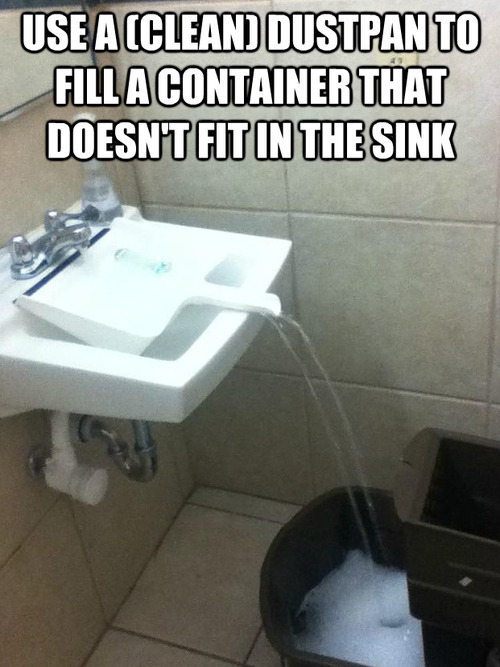
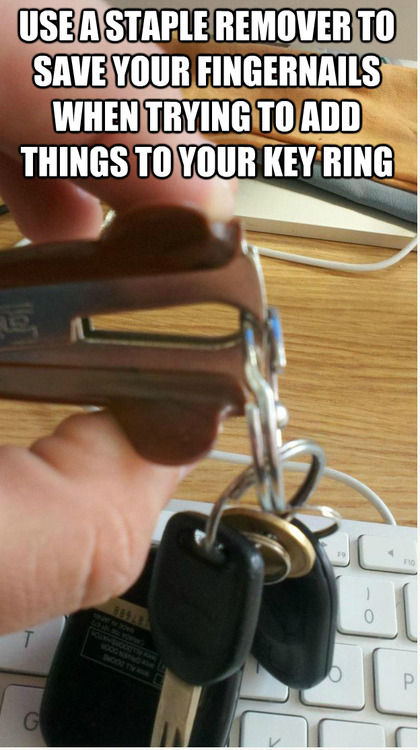
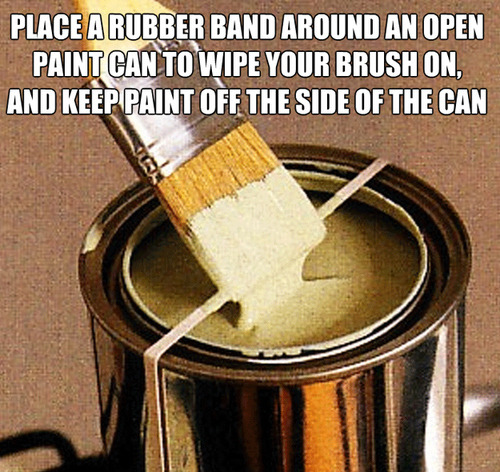
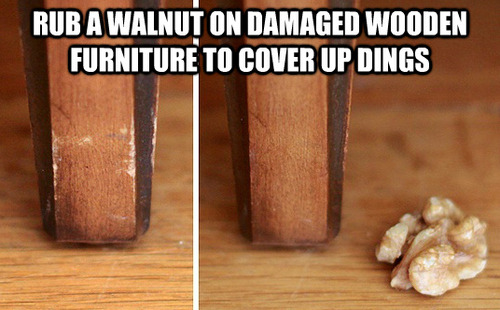
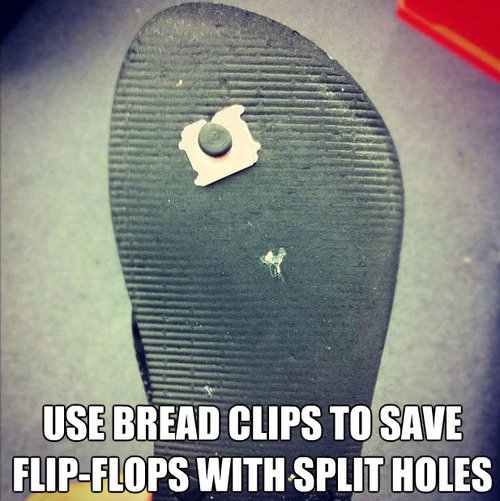
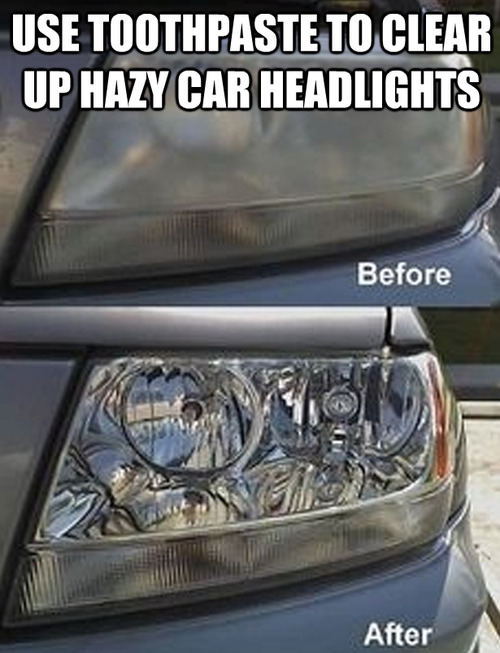


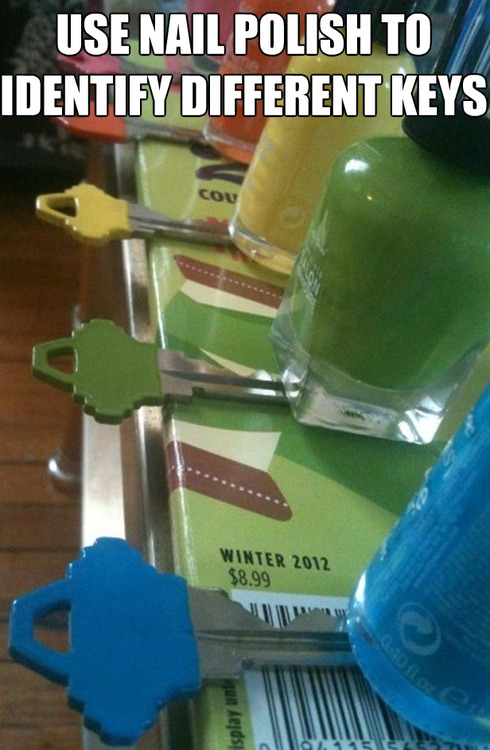
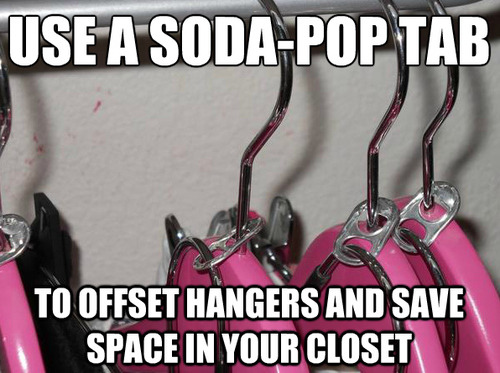






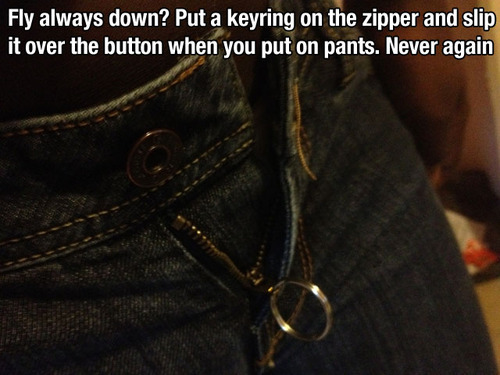
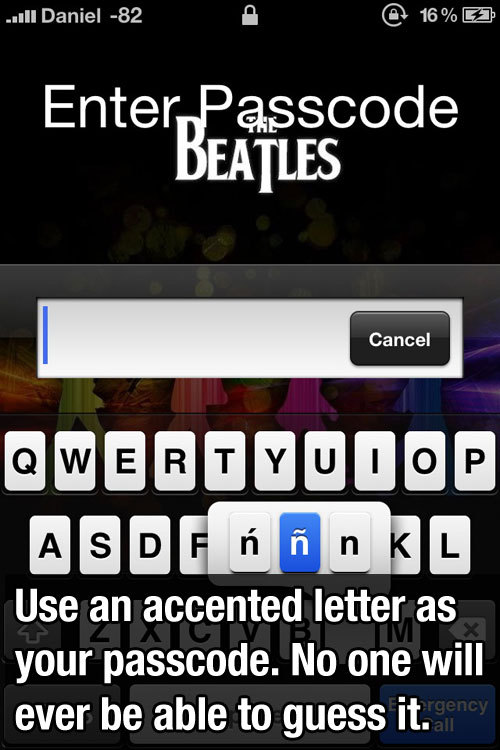
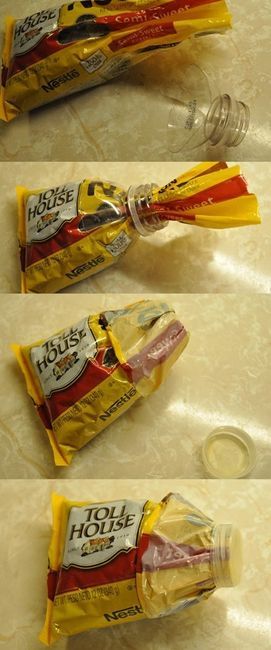
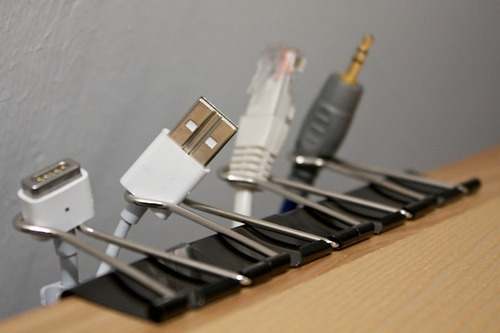









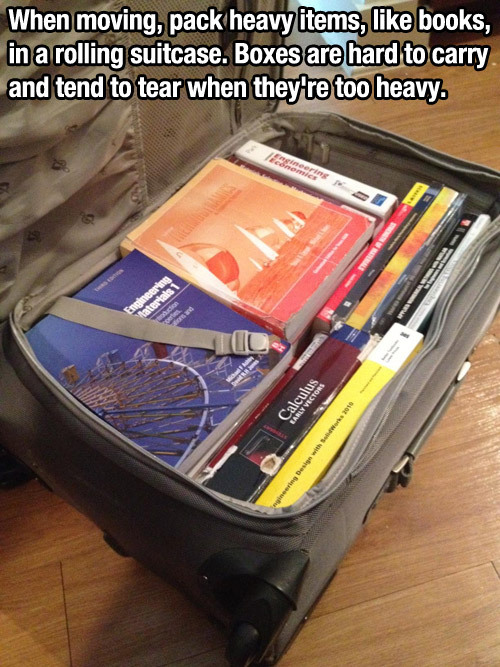
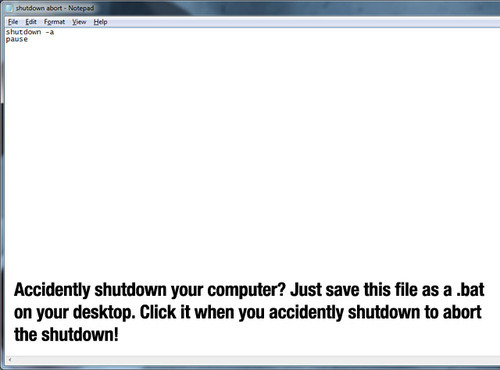
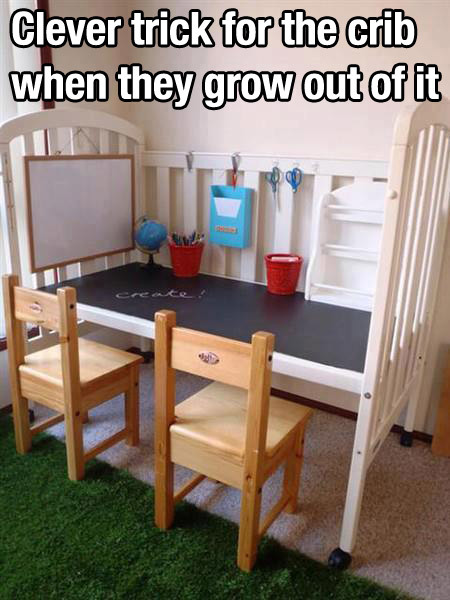
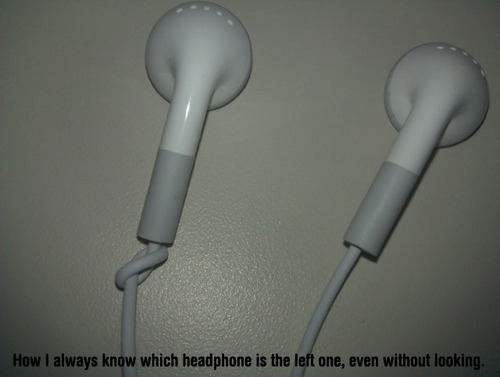




General:
- Lang-8 (Journal in another language, be corrected by native speakers. Do the same for others by correcting them.)
- Livemocha
- Polyglot Link
- FSI Language
- BBC Languages
- I Kinda Like Languages
- GLOSS (Foreign Language Institute)
- My Language Exchange
- So You Want to Learn a Language
- Mango Languages
- Forvo
- Learning with Texts
- LingQ
- South Asian Linguistics
- F*ckyeahsouthasia #Language
- Open Culture: Free Language Lessons (another masterlist)
Reddit Threads:SRS (Spaced Repetition flashcards):
- Memrise (Iphone/pad app available)
- Anki (droid/i-app avail)
- Skritter (Paid: Japanese/Chinese; i-app avail.)
- Mnemosyne
Arabic:
- Books to Learn Arabic (Blogs list page)
- Al3Arabiya
- Mandinah Arabic (Free Printable E-books)
Bengali:Chinese (Mostly/All Mandarin):
- Chinese Grammar Wiki
- Fluent Flix
- Chinese Hacks
- Social Mandarin
- Hao Hao Report
- Hacking Chinese
- Reddit Resource List
- MDBG
- Why Chinese is so damn hard
- sugoideas, Taiwanese dramas
- Baidu radio, PRC radio stations
- Mac TV, Taiwan TV
- 中文字譜, site for making mnemonics
- Chinesepod
- Reviewing the Hanzi
- Perapera Chinese Firefox add on
- Better Chinese (Paid)
- China Sprout online retail
- Chinese Grammar (eh, looks dull)
- More Manhua
- Chinese Rage Comics
- English Slang in Chinese
- Sentence Structure / Particles / Modals
- Sinosplice
- Pleco for iPhone
- Chinese with Serge (he’s pretty clear)
- Review the Hanzi forum thread
- eStroke
- Nciku (search characters by drawing them)
- QQ international version / Weibo (Chinese “twitter”) / renren
- Apps: Mindsnacks Mandarin ($5, personal recommendation), Manhua Reader App, Pleco, Word Tracer Learn Chinese, Chinese with Pengyou Pal
- Books I own: (Far East) Illustrated 300 Chinese Character Dictionary, Reading and Writing Chinese (Tuttle), Chinese Link (favorite textbook so far), Integrated Chinese (Not as good as Chinese Link imho. Less organized/structured in a good format), Basic Spoken Chinese (Tuttle), Schaum’s Chinese Grammar
Gujarati:
- Pronunciator
- So You want to Learn… [Resource Masterlist]
- Eye of India– Alphabet
- Another masterlist
- Gujarati Learner
Hindi:
- Learning-Hindi
- NYU – Virtual Hindi
- Hindi-Urdu Flagship Resources (pdfs, textbooks, audio, etc)
- A Door into Hindi
Indonesian – Bhasa Indonesian:
Korean:
- Hangul Type Attack
- Seemile (Also learn Chinese)
- Talk to Me in Korean
- My Korean 1 & 2
- Hangul
- Busy Atom
- Korean Wiki – Hangul
- Dictionary
- Grammar Dictionary
- Radio Korea
- Songang Korean Program
- Hulu Kdramas
- Airang “I Love Korean”
- Seoul National University Korean Crash Course
- Apps: Korean Letters Lite App (Free/Paid available), Korean Study Buddy App, Learn Sounds of Korean App (currently free)
- Korean Champ
- Korean Class 101
- Hangukdrama and Korean
- Learn Korean
- Resource List (Also Japanese)
- Books: Integrated Korean (Common textbook, friends used/liked it for class), Learn Korean for Beginner’s (Tuttle), Basic Korean: A Grammar and Workbook.
Japanese:
- All Japanese All the Time (AJATT method; perhaps worth a read for other languages)
- So You Want to Learn Japanese…
- Perapera Firefox add on
- Reviewing the Kanji
- Tae Kim’s Guide to Learning Japanese / The app
- Beginner’s Guide
- Kanji Damage
- Tofugu / Textfugu (Some-Paid)
- Rikaichan FF/Chrome
- Gakuu
- Subs2SRS
- Hiragana42
- Lingualift (Paid)
- I Know! (Paid)
- Nihon Shock ($25)
- Tagorin Dictionary
- Read the Kanji
- Nihongo Dekimasu
- Before Breakfast
- Kotodama Typing Game
- Real Kana
- The Japanese Page
- All Kana Aesop’s Fables (Practice translating)
- Manga RAWs
- Apps: Kana iphone/ipad app (all Japanese game), Ninja worlds (free/paid $3 app), Human Japanese (Free/$10)
- How to Read Manga/Watch anime (and understand) in 2 years
- Pastebin Reddit Resources
- Pera Pera Penguin
- Nihongo e na
- Jbox Study items
- Books I own: Japanese in Mangaland/Kanji in Mangaland, Learning Hiragana & Katakana (Tuttle), The Ultimate Japanese Phrasebook, A Dictionary of Japanese Particles (Kodansha), Essential Japanese Grammar, Barron’s Japanese Grammar, DON’T buy Yookoso! I’m using it right now and I hate it, it’s frustrating and confusing and uses an uncommon Romaji system for far too long. I’ve used six different textbooks in three different languages and this is hands down the worst of any of them. Genki is probably your best bet.
- Other Books: Remembering the Kanji
Malay:
TamilThai:
- Learn Thai
- Learning Thai
- TV Method Thai (Immersion oral learning)
- Learning Thai
- Thai-Language
- Women Learn Thai
— Check the detailed Resources Page.Other:
- Tumblr tags: #learning _________
- Can I become Fluent in ______ in ______ months/weeks/days?
No. You can’t.- Can I learn Japanese from just watching Anime/Korean from Kpop/Chinese from Wuxia films?
Not on your life. Do you only speak the english you know from Spongebob? N’SYNC? The 300? Didn’t think so.- What about Rosetta Stone?
For $180-$399 dollars? Are you insane? The program is built to teach you the Romantic languages. If you buy Rosetta stone for $400, and pass up every free resource on this list, I doubt your desire to actually learn anything. Don’t do it to yourself. That is a lot of money you probably won’t get back.- But I heard that Chinese/Japanese/Korean/Arabic/etc is really difficult:
Well if over a billion Chinese people can speak Chinese, why can’t you? No really, don’t let something like this bother you. No, this is not the ease of moving from a English to a Romance language or German, but hey, if you wanted to learn German (and all those ridiculous cases) you’d be doing that.- But what about ______?
I have knowledge on resources mostly limited to JPN/CHI/KOR classes. This is a participatory list, which I am more than grateful to take submissions for.


Look this is not something to you do to friends I’m pee
(Funny enough, when she first asked me it was actually between those two)
102 Resources for Fiction Writers
102 Resources for Fiction Writers
Are you still stuck for ideas for National Novel Writing Month? Or are you working on a novel at a more leisurely pace? Here are 102 resources on Character, Point of View, Dialogue, Plot, Conflict, Structure, Outlining, Setting, and World Building, plus some links to generate Ideas and Inspiration.
CHARACTER, POINT OF VIEW, DIALOGUE
The Universal Mary Sue Litmus Test
Priming the idea pump (A character checklist shamlessly lifted from acting)
Handling a Cast of Thousands – Part I: Getting to Know Your Characters
Establishing the Right Point of View: How to Avoid “Stepping Out of Character”
How to Start Writing in the Third Person
Web Resources for Developing Characters
What are the Sixteen Master Archetypes?
Fiction Writer’s Character Chart
Fiction Writer’s Character Chart
Villains are People, Too, But …
Top 10 Tips for Writing Dialogue
Advantages, Disadvantages and Skills (character traits)
How to Write a Character Bible
Character Development Exercises
All Your Characters Sounds the Same — And They’re Not a Hivemind!
Writing the Other: Bridging Cultural Difference for Successful Fiction
Family Echo (family tree website)
Interviewing Characters: Follow the Energy
100 Character Development Questions for Writers
Lineage Chart Layout Generator
PLOT, CONFLICT, STRUCTURE, OUTLINE
How to Write a Novel: The Snowflake Method
Effectively Outlining Your Plot
Conflict and Character within Story Structure
Ideas, Plots & Using the Premise Sheets
Creating Conflict and Sustaining Suspense
Plunge Right In … Into Your Story, That Is!
Fiction Writing Tips: Story Grid
Tips for Creating a Compelling Plot
The Thirty-six (plus one) Dramatic Situations
The Evil Overlord Devises a Plot: Excerpt from Stupid Plotting Tricks
The Hero’s Journey: Summary of the Steps
Outline Your Novel in Thirty Minutes
SETTING, WORLD BUILDING
The Art of Description: Eight Tips to Help You Bring Your Settings to Life
Creating the Perfect Setting – Part I
An Impatient Writer’s Approach to Worldbuilding
Fantasy Worldbuilding Questions
Character and Setting Interactions
Creating Fantasy and Science Fiction Worlds
Maps Workshop — Developing the Fictional World Through Mapping
IDEAS, INSPIRATION
Solve Your Problems Simply by Saying Them Out Loud
Writing Inspiration, or Sex on a Bicycle
Creative Acceleration: 11 Tips to Engineer a Productive Flow
The Seven Major Beginner Mistakes
Complete Your First Book with these 9 Simple Writing Habits
Free Association, Active Imagination, Twilight Imaging
Story Starters and Idea Generators
REVISION
One-Pass Manuscript Revision: From First Draft to Last in One Cycle
Revising Your Novel: Read What You’ve Written
Writing 101: So You Want to Write a Novel Part 3: Revising a Novel
TOOLS and SOFTWARE
My Writing Nook (online text editor; free)
Bubbl.us (online mind map application; free)
Freemind (mind map application; free; Windows, Mac, Linux, portable)
XMind (mind map application; free; Windows, Mac, Linux, portable)
Liquid Story Binder (novel organization and writing software; free trial, $45.95; Windows, portable)
Scrivener (novel organization and writing software; free trial, $39.95; Mac)
SuperNotecard (novel organization and writing software; free trial, $29; Windows, Mac, Linux, portable)
yWriter (novel organization and writing software; free; Windows, Linux, portable)
JDarkRoom (minimalist text editor; free; Windows, Mac, Linux, portable)
AutoRealm (map creation software; free; Windows, Linux with Wine)
Novel-Writing Programs
Anonymous asked:
what are some good novel writing programs other than the usual word or open office?
Hello!
There are a multitude of writing programs available to writers! Some cost, some are free. Here are some of the best:
- Scrivener
This is perhaps the most well-known novel-writing program. It costs $40 USD, with the option to have a 30-day free trial. It is available for Mac, Windows, and Linux.
About Scrivener:“Writing a novel, research paper, script or any long-form text involves more than hammering away at the keys until you’re done. Collecting research, ordering fragmented ideas, shuffling index cards in search of that elusive structure—most writing software is fired up only after much of the hard work is over. Enter Scrivener: a word processor and project management tool that stays with you from that first, unformed idea all the way through to the final draft. Outline and structure your ideas, take notes, view research alongside your writing and compose the constituent pieces of your text in isolation or in context. Scrivener won’t tell you how to write—it just makes all the tools you have scattered around your desk available in one application.”
- FocusWriter
This program is free, but the creator asks for donations upon download. It is available for Mac, Windows, and Linux.
About Focus Writer:
FocusWriter is a simple, distraction-free writing environment. It utilizes a hide-away interface that you access by moving your mouse to the edges of the screen, allowing the program to have a familiar look and feel to it while still getting out of the way so that you can immerse yourself in your work. It’s available for Linux, Windows, and Mac OS X, and has been translated into many different languages.
- yWriter
This program is free. It is available for Windows.
About yWriter:yWriter is a word processor which breaks your novel into chapters and scenes, helping you keep track of your work while leaving your mind free to create. It will not write your novel for you, suggest plot ideas or perform creative tasks of any kind. yWriter was designed by an author, not a salesman!
- Storybook
This program is free, but offers a pro version with multiple extra features for $34.90 USD. It is available for Windows and Linux.
About Storybook:Storybook is a free Open Source novel-writing software for creative writers, novelists and authors. Starting with the plot to the finished book — with Storybook you’ll never lose the overview. Storybook helps you to keep an overview of multiple plot-lines while writing books, novels or other written works.
- NewNovelist
This program is $39.99 USD, with an online demo. It is available for Windows. All of NewNovelist’s features can be found here.Useful Links
5 Cool iPhone Apps to Help Writers
Online Writing Programs
Discussion about Writing Programs (With opposing viewpoints on novel-writing software)–
Thank you for your question, and as always, please direct any other comments or questions to our askbox!
-Laikyn

enchantingimagery: An illustration by Edmund Dulac for Cinderella. My scan.
Synonyms for “beautiful”
- alluring (very attractive or tempting; enticing; seductive)
- angelic (like an angel, esp. in virtue, beauty, etc. Example: angelic sweetness.)
- appealing (a rather dry substitute for “beautiful”..)
- beauteous (beautiful, especially to the sight)
- bewitching (as in enchanting, charming, fascinating, so beautiful with spice)
- charming (as in pleasing, delightful – again a not quite up-to-the-task word for beautiful)
- classy (stylish, admirably smart, elegant)
- comely (pleasing in appearance, attractive, fair)
- cute (pleasingly pretty, hardly an adequate replacement)
- dazzling (deeply impressive)
- delicate (dainty, exquisite or refined in perception or feeling; sensitive)
- delightful (highly pleasing)
- divine (perfect, of superhuman or surpassing excellence)
- enticing (highly attractive and able to arouse hope or desire)
- exquisite (of special beauty or charm, or rare and appealing excellence)
- fair (pleasing in appearance, attractive)
- fine (meaning a multitude of things, amongst other good-looking and handsome)
- good-looking (a pretty descriptive and self-explanatory variaton on “beautiful”)
- gorgeous (splendid or sumptuous in appearance, magnificent)
- graceful (characterized by elegance or beauty of form, manner, movement, or speech)
- grand (first-rate, very good, splendid, noble, majestic, dignified)
- handsome (having an attractive, well-proportioned, and imposing appearance suggestive of health and strength)
- ideal (conceived as constituting a standard of perfection or excellence)
- lovely (charmingly or exquisitely beautiful, having a beauty that appeals to the heart or mind as well as to the eye, as a person or a face.)
- magnificent (of exceptional beauty, extraordinarily fine, superb)
- marvelous (superb, excellent, incredible)
- nice (really? No…)
- pleasing (much better than “nice”, huh?)
- pretty (pleasing or attractive to the eye, as by delicacy or gracefulness)
- pulchritudinous (this has got to be the best alternate word for “beautiful” of them all – AND – it’s so easy on the tongue! Anyway, it refers to physical beauty)
- radiant (bright with joy, hope, etc.)
- ravishing (extremely beautiful or attractive, enchanting, entrancing)
- refined (oil? No, they mean “having or showing well-bred feeling, taste, etc.”)
- resplendent (shining brilliantly, gleaming, splendid)
- shapely (having a pleasing shape, esp. with reference to a woman’s figure)
- sightly (pleasing to the sight, attractive)
- splendid (gorgeous, magnificent, sumptuous)
- statuesque (as in “beautiful as a statue”? How about ficusesque as an additional option?)
- stunning (of striking beauty or excellence)
- sublime (complete, absolute, supreme, outstanding)
- superb (ace, of a proudly imposing appearance or kind)
- symmetrical (this is actually listed as a synonym for “beautiful”, which I find rather odd. Who is to say that symmetry is beautiful and assymetry isn’t?)
- taking (captivating, winning or pleasing)
- well-formed (I’ll say no more)
- wonderful (of a sort that causes or arouses wonder, amazing, astonishing)
 Rambles & Rabble