Deafness and being Hard of Hearing encompasses a wide range of hearing loss, and d/Deaf/HoH people communicate in different ways. Whether a person sees themselves as deaf or Hard of Hearing is a very individual thing. Being deaf does not mean you can hear no sound at all, and very few people have this level of hearing loss. The distinction between deaf and Deaf is that deafness is an audiological condition, while being Deaf is a cultural and personal identity based on shared experience, language, and history. Not all d/Deaf/HoH people know sign language, and may use a variety of methods to communicate, which may change given the situation or whether they are speaking to another d/Deaf/HoH person or a Hearing person.
Hearing aids and cochlear implants are not like “glasses for your ears.” For the vast majority of people who need vision correction, glasses or contacts can help them see just as well as people who don’t need correction. But hearing aids aren’t like glasses–magnification of a sound doesn’t work in the same way as magnification of an image. Cochlear implants can help someone with severe hearing loss hear, but the hearing these implants provide is completely different from what a Hearing person experiences. These devices merely help a person with hearing loss hear better than they could without them, and what that means varies quite a bit from person to person. In addition, not everyone gets much help from these devices, and many people are not good candidates for cochlear implants or find them controversial.
Hearing aids and cochlear implants do not make a d/Deaf/HoH person Hearing. As soon as the person takes out their hearing aids or other assistive device, the challenges associated with their hearing loss are just as they were before. People don’t generally wear their hearing aids or the outer portion of cochlear implants all the time. This could mean they only take them out to sleep and shower, or it could mean that they only wear them when they most need them. When a person is wearing them, they are still deaf/HoH, and will likely still experience problems associated with that.
Deaf and Hard of Hearing people often hear better in different situations, and hearing loss varies widely between d/Deaf/HoH people. People who are d/Deaf/HoH may hear better in small group situations, when their conversational partner is facing them, and may have trouble with certain frequencies of sound more than other frequencies. For example, they made have trouble understanding conversational speech because most of their hearing loss is high frequency, but be able to hear lower pitched sounds with less difficulty. Other factors that can impact a d/Deaf/HoH person’s ability to hear something include crowded places with lots of background noise and walking on narrow sidewalks where their conversational partner is walking in front of them and facing away.
Lipreading isn’t easy or accurate. Lipreading can help a d/Deaf/HoH person understand what is being said, but it’s not easy and many people either cannot do it or aren’t that good at it. Lipreading works best when good lighting is available, the speaker enunciates clearly and does not mumble, and is facing the lipreader. Even people who are skilled at lipreading will still struggle with understanding what is being said, and have to use clues about context and word order to piece together speech. This can be exhausting to do constantly, and generally isn’t enough on it’s own. Not understanding what the people around you are saying can be very isolating.
Sign language isn’t a visual form of English, and there isn’t just one sign language. American Sign Language is not a a way to speak English with your hands. ASL has distinct rules that do not correspond to English grammar, and ASL does not correspond to the geographic locations where English is spoken. American Sign Language and British Sign Language are distinct, not mutually-intelligible languages, and there are many others around the globe. If your Deaf character grew up and lives in Russia, they probably use Russian Sign Language, not American.
You don’t need to write out the gestures and motions of a character speaking who’s speaking sign language. If your character is communicating in sign language, you may not be sure how to best transcribe what they are saying. Some people will translate the speech into English and italicize it to show that it is a translation. Some people will communicate the meaning of what was being said, rather than writing out any explicit dialogue. But trying to write out the actual physical gestures and adequately describe what a sign or string of signs looks like is just unwieldy and is rarely as clear as you think it is. Not only is this frustrating for actual users of the particular sign language, but most of the people reading your story are probably not going to be sign language users.
Avoid simultaneous communication in both vocal and signed language. Simultaneous communication, or sim com, is a system that people sometimes use, but it doesn’t actually make for very good communication. Hearing users of sim com will often forget to sign certain parts of what they are saying or will sign in the grammatical structure of the vocal language rather than the signed one, making their use of language inaccessible to the deaf/HoH person that they are trying to communicate with. Many deaf/HoH people cannot hear or struggle to hear vocal language, which means that they are getting no benefit from their conversational partner using both languages.
So you’re planning on including mature, dark themes in your work! Fantastic! Fiction is an awesome place to explore this kind of thing, and god knows I am a sucker for both writing and reading tragedy.
This is literally me:
[[4 panel comic with two people. 1: I love this character! 2: Me too! 1: I can’t wait to see this character… BLOODY, BROKEN, AND BRUISED. (1 is smiling, 2 is horrified). k009@tumblr (source)]]
But putting your readers through the wringer is very, very different from triggering a past trauma they’ve experienced.
So what exactly isa trigger?
A trigger is essentially (but not always) something that reminds someone of a past trauma. They can be virtually anything, as every trauma is uniquely experienced. Specific triggers may not make sense to other people. That doesn’t make them any less valid. See this post here for a really, really good example of this.
Even if it’s not a trigger of a past trauma, some people aren’t comfortable reading about certain topics. That’s why I call these warnings “Content Warnings.” You don’t have to be triggered by something to want to avoid it like the plague, and that’s perfectly fine.
Why should I use content warnings?
If you’re writing about a character going through a extremely graphic and traumatic experience, in my opinion, you have a duty to warn your audience about the content of your work.
Besides, you want your readers to enjoy your work, right? A lot of people with triggers (but not all) are going to be okay with triggering content if they are forewarned about it, and know that it’s coming. They can mentally prepare themselves and brace for impact. But if it comes out of the blue, WHAM. They aren’t expecting that content, and it can not only ruin the work for them, it can mess up their entire day. They probably won’t come back to reading your stuff, no matter how tastefully or respectfully it’s handled.
So what should I do about it?
First off, if the platform you’re using to post your work uses a rating and/or tagging system, use it. Tag everything properly.
If your platform doesn’t allow that, or you don’t want to “spoil” your work, put a link that says “For content warnings, click here,” and have that go to a page that lists the potential triggers in your work. People who don’t need content warnings won’t click it and won’t be spoiled; people who need them can click through and find out if they are gonna be okay with reading your work.
I also recommend putting some kind of warning in your description, such as “This work contains mature, violent, and/or traumatic content. Reader discretion is advised.”
What should I tag for?
Let’s find out after the jump! I’ll also give an example of what a properly, extensively tagged content warning list looks like from my own writing!
This is an ultimate masterlist of many resources that could be helpful for writers. I apologize in advance for any not working links. Check out the ultimate writing resource masterlist here (x) and my “novel” tag here (x).
Hey there! This is a part of a series on pain and suffering in writing. Part 1 of the series, Writing About Pain (Without Putting Your Readers in Agony), appeared on the eminent and excellent blog WritersHelpingWriters. Thanks again to Angela for having me on her blog!
I got a great follow-up question the other day from a-nom-de-plume, who asked:
Hi!
Do you have any tips on writing pain from an outside perspective? As
in, not the point of view of the unfortunate suffering character. What
external signs do people show when they’re in extreme pain?
I love this question, because it speaks to one of the “fundamental rules” of storytelling.
This is the show don’t tell
method of discussing and illustrating pain. It’s very useful for
demonstrating pain of characters outside the direct viewpoint of the
story.
There’s also a medical terminology distinction to be made. Subjective things, like the actual pain itself, are symptoms.
They’re things patients feel, not what providers can observe. Anything
verifiable or observable by someone else is considered a sign.
For
example, in a first-person story, these descriptors (signs) would be
very useful for showing agony in someone who isn’t your protagonist.
Similarly, in a third-person-close perspective, this could describe your
characters who aren’t the current subject of the close point of view.
I’ll try to keep this to the same pain scale that I used in that article.
Signs of Pain
Mild: Rubbing a stiff joint, flexing a sore muscle, limping, massaging, moving stiffly
Another
behavior that is often seen with pain is someone constantly moving the
affected area not to try to make it better, but to make sure it still
hurts.
Moderate: Grunting, hissing, sharply
inhaling, wincing, guarding (protecting that area with a limb; for
example, using a good arm to cradle the bad, or holding an arm across
the stomach), severe limping.
Severe: Sweating, pale and cool skin, facial contortions, clutching the affected area, rapid breathing.
Obliterating: Everything from Severe,
plus lying on the ground, screaming, curling into the fetal position.
Patients in this amount of pain may ask for their mothers. I have
personally screamed “Why” and seriously considered the possibility of
demons when my gallstones have become obliteratingly painful.
Other Ways to Demonstrate Pain
There
are other ways to demonstrate a character’s discomfort that don’t
necessarily commit to any one particular level on the pain scale.
taking pain medication, or asking if anyone has some in a group setting
wrapping or re-wrapping an injury
using a sling for an injured arm
applying cold packs (new injury) or hot packs (chronic injury)
massaging the injured area
going for accupuncture or accupressure
taking a break from an activity they could have otherwise completed
calling a halt on a walk or stopping a current activity to “walk it off” or take a rest
changing how they perform a task (like trying to write or change gears in a car with their non-dominant hand)
constantly fidgeting and touching the affected area
characters
may sometimes forget that they’re injured, try to do something, and
then immediately stop and wince and grab the part they moved (eg: with a
shoulder strain, they may try to reach out for something or turn their
head and immediately stop, wince, and rub the area)
There’s More Out There
This list is far from exhaustive. But it’s a good start to illustrating someone’s discomfort!
I hope this answered your question, @a-nom-de-plume, and I’ll gladly see you later!
One of the signs I notice in others and in myself is stillness.
Basically a weird internal thing that happens sometimes to me for chronic pain is “I found a spot and I will not move because it’s the first time in three days that the pain is not going to kill me” (which is not “yay, no pain”). There is also that “pain is predator” thing that also can happen. By that I mean that if I’m tired there is an almost instinctive response to pain as a Thing which is outside of me trying to do me harm and I tend to mentally respond to it as a predator. So one habit is to go still when I know I’m on the edge of pain or doing something that will hurt. “If I don’t move it won’t happen”. And then there’s just plain old “it hurts to move”.
Flexing muscles while not moving is often a sign for me as well. Clenching jaw, hands, shoulders, whatever. It’s part of a group of mitigator/coping mechanisms that are, from my perspective at least, about physical reaction to pain. Neurological pain (I had some in my jaw for about 2 years of hell) doesn’t necessarily get eased through pain killers or when injuries heal. So there might not be a method to deal with it directly so there are a constellation of reactions to it that are about expressing it or reacting physically to it. Flexing is one. Another I have is distraction : for pain in a local area I tend to do things like manipulate another area of my body to feel something in opposition. Which is not as bad as that sounds, I’m sure.
What started that realization was tattooing. When getting tattooed you’re sitting for hours (in my case at least) doing nothing but paying attention to the needles going in and out of your body. The thing is that on some level your body starts to react as if ALL THINGS ARE IN PAIN. Touching the opposite side of my body – tapping my hip for instance – tended to be surprisingly effective at lowering the pain from overwhelming to “oh, hey, other parts of me don’t actually hurt”. It’s a distraction that can become habitual. I find psychological and physical pain often has me tapping fingers on my leg.
Pain isn’t always about big gestures it can be smaller things that are about either minimizing it or deflecting it or hiding it. Pain expressers tend to be determined by the personality of the person as much as the type of pain. My husband had a heart attack in December and he pretty much went suuuuuper calm and just touched his chest a lot. The telling point for him was that he was almost compulsive about touching his chest – and I mean that. He couldn’t seem to get his hand away from this one spot on his chest for more than thirty seconds. He was uncomfortable with his hand at his side – as the EMTs made him do while examining him.
Small repetitive gestures, or slowing down, sudden protectiveness to areas in pain. From flinching a body part away to panic at the idea of the area of pain being exposed, it can manifest in interesting ways.
First off, reblogging for the absolutely stellar addition. (There are LOTS of great additions if you go through the notes!)
As a lot of people have pointed out, pain like this can show externally as irritability, a tense or dour or angry facial expression, or a tightness or woodenness or stiffness in the way a character moves.
Pain is as individual and unique as those who experience it, and different types of pain feel very different; if you’ve ever had a toothache, you understand nerve pain, whereas muscle pain, abdominal pain, and osseous (bone) pain are different. Tumors can feel different from injuries as well.
Thank you so much to everyone who’s contributed and shared stories and added to the conversation!
Disclaimer – This is a subject that should not be treated lightly in any medium. Before we get started, please take a moment to consider if you are using child abuse simply for shock value, or if it is truly a necessary part of your story. If you do choose to write about this topic, please add content warnings to your work.
This is just a brief overview. I’ll be covering this in much more depth as time goes on.
Under the jump because of descriptions of abuse. There are some fairly graphic examples hidden behind a link at the very end. If you just want the broad, theoretical strokes of what’s going on, and no examples, don’t click the link at the end.
I’ve included a very comprehensive list, organized by the type of body movement, hand and arm movements, facial expressions etc. In some cases, a phrase fits more than one heading, so it may appear twice. Possible emotions are given after each BL phrase unless the emotion is indicated within the phrase. (They are underlined for emphasis, not due to a hyperlink.)
Note: I’ve included a few body postures and body conditions as they are non-verbal testimony to the character’s physical condition.
Have fun and generate your own ideas.:-)
Eyes, Brows and Forehead
arched a sly brow: sly, haughty
blinked owlishly: just waking, focusing, needs glasses
brows bumped together in a scowl: worried, disapproving, irritated
brows knitted in a frown: worried, disapproval, thoughtful
bug-eyed: surprised, fear, horror
cocky wink and confident smile: over confidence, arrogant, good humor, sexy humor
eyes burned with hatred: besides hatred this might suggest maniacal feelings
pupils dilated: interested, attraction to opposite sex, fear
raked her with freezing contempt
slammed his eyes shut: stunned, furious, pain
squinted in a furtive manner: fearful, sneaky
stared with cow eyes: surprised, disbelief, hopeful, lovestruck
subtle wink: sexy, humor/sharing a joke, sarcasm
unrelenting stare: distrust, demanding, high interest, unyielding
Place To Place, Stationary Or Posture
ambled away: relaxed, lazy
barged ahead: rude, hurried
battled his way through the melee: desperate, anger, alarm
cruised into the diner: easy-going, feeling dapper, confident
dawdled alongside the road: lazy, deliberate delay for motives, unhurried, relaxed
dragged his blanket in the dirt: sadness/depressed, weary
edged closer to him: sneaky, seeking comfort, seeking protection, seeking an audience
he stood straighter and straightened his tie: sudden interest, sexual attraction
held his crotch and danced a frantic jig: demonstrates physical condition – he has to pee
hips rolled and undulated: sexy walk, exaggerating for sex appeal
hovered over them with malice/like a threatening storm: here it’s malice, but one may hover for many reasons.
hunched over to look shorter: appear inconspicuous, ashamed of actions, ashamed of height
leaped into action feet hammering the marbled floor: eager, fear, joyous
long-legged strides: hurried, impatient
lumbered across: heavy steps of a big man in a hurry
minced her way up to him: timid, sneaky, insecure, dainty or pretense at dainty
paced/prowled the halls: worried, worried impatience, impatient, diligently seeking pivoted on his heel and took off: mistaken and changes direction, following orders, hurried, abrupt change of mind, angry retreat
plodded down the road: unhurried, burdened, reluctant
practiced sensual stroll: sexy, showing off
rammed her bare foot into her jeans: angry, rushed
rocked back and forth on his heels: thoughtful, impatiently waiting
sagged against the wall: exhausted, disappointment
sallied forth: confident, determined
sashayed her cute little fanny: confident, determined, angered and determined
shrank into the angry crowd: fear, insecure, seeking to elude
sketched a brief bow and assumed a regal pose: confident, mocking, snooty, arrogant skidded to an abrupt halt: change of heart, fear, surprise, shock
skulked on the edges of the crowd: sneaky, ashamed, timid
slithered through the door: sneaky, evil, bad intentions
stormed toward her, pulling up short when: anger with a sudden surprise
swaggered into the class room: over confident, proud, arrogant, conceited
tall erect posture: confidence, military bearing
toe tapped a staccato rhythm: impatience, irritation
tottered/staggered unsteadily then keeled over: drunk, drugged, aged, ill
waltzed across the floor: happy, blissful, exuberant, conceited, arrogant
Head Movement
cocked his head: curiosity, smart-alecky, wondering, thoughtful
cocked his head left and rolled his eyes to right corner of the ceiling: introspection
droop of his head: depressed, downcast, hiding true feelings
nodded vigorously: eager
tilted her head to one side while listening: extreme interest, possibly sexual interest
Mouth And Jaw
a lackluster smile: feigning cheerfulness
cigarette hung immobile in mouth: shock, lazy, uncaring, relaxed casualness
clinched his jaw at the sight: angered, worried, surprised
curled her lips with icy contempt
expelled her breath in a whose: relief, disappointment
gagged at the smell: disgust, distaste
gapped mouth stare: surprised, shock, disbelief
gritted his teeth: anger, irritation, holding back opinion
inhaled a sharp breath: surprise, shock, fear, horror
licked her lips: nervous, sexual attraction
lips primed: affronted, upset, insulted
lips pursed for a juicy kiss
lips pursed like she’d been chewing a lemon rind: dislike, angry, irritated, sarcasm
lips set in a grim line: sorrow, worried, fear of the worst
pursed her lips: perturbed, waiting for a kiss
scarfed down the last biscuit: physical hunger, greed
slack-mouthed: total shock, disbelief
slow and sexy smile: attraction, seductive, coy
smacked his lips: anticipation
smile congealed then melted into horror
smile dangled on the corner of his lips: cocky, sexy
smirked and tossed her hair over her shoulder: conceit, sarcasm, over confident
sneered and flicked lint off his suit: sarcasm, conceit
spewed water and spit: shock
stuck out her tongue: humor, sarcasm, teasing, childish
toothy smile: eagerness, hopeful
wary smile surfaced on her lips
Nose
nose wrinkled in distaste/at the aroma
nostrils flared: anger, sexual attraction
nose in the air: snooty, haughty
Face in General
crimson with fury
handed it over shame-faced
jutted his chin: confident, anger, forceful
managed a deadpan expression: expressionless
muscles in her face tightened: unsmiling, concealing emotions, anger, worried
rested his chin in his palm and looked thoughtful
rubbed a hand over his dark stubble: thoughtful, ashamed of his appearance
screwed up her face: anger, smiling, ready to cry, could almost be any emotion
sneered and flicked lint off his suit: conceit, derision, scorn
Arm and Hand
a vicious yank
arm curled around her waist, tugging her next to him: possessive, pride, protective
bit her lip and glanced away: shy, ashamed, insecure
brandished his fist: anger, threatening, ready to fight, confident, show of pride
clamped his fingers into tender flesh: anger, protective, wants to inflict pain
clenched his dirty little fists: stubborn, angry
clapped her hands on her hips, arms crooked like sugar bowel handles: anger, demanding, disbelief
constantly twirled her hair and tucked it behind her ear: attracted to the opposite sex, shy crossed his arms over his chest: waiting, impatient, putting a barrier
crushed the paper in his fist: anger, surrender, discard
dived into the food: hunger, eager, greedy
doffed his hat: polite gesture, mocking, teasing
doodled on the phone pad and tapped the air with her foot: bored, inattention, introspection
drummed her fingers on the desk: impatient, frustrated, bored
fanned her heated face with her hands: physically hot, embarrassed, indicating attraction
fiddled with his keys: nervous, bored
firm, palm to palm hand shake: confident, honest
flipped him the bird: sarcastic discard
forked his fingers through his hair for the third time: disquiet/consternation, worry, thoughtful
handed it over shame-faced: guilt, shame
held his crotch and danced a frantic jig: physical need to relieve himself
limp hand shake: lack of confidence, lack of enthusiasm
propped his elbow on his knee: relaxed, thoughtful
punched her pillow: restless, can’t sleep, angry
rested his chin in his palm: thoughful, worried
scratched his hairy belly and yawned: indolent, bored, lazy, relaxed, just waking
shoulders lifted in a shrug: doubtful, careless discard
slapped his face in front of God and country: enraged, affronted/insulted
snapped a sharp salute: respect, sarcastic gesture meaning the opposite of respect
snapped his fingers, expecting service: arrogant, lack of respect, self-centered
sneered and flicked lint off his suit
spread her arms wide: welcoming, joy, love
stabbed at the food: anger, hunger, determined
stood straighter and smoothed his tie: sudden interest, possible sexual interest
stuffed his hands in his pockets: self-conscious, throwing up a barrier
sweaty handshake: nervous, fearful
touched his arm several times while explaining: sign of attraction, flattery, possessive
wide sweep of his arms: welcoming, all inclusive gesture, horror
Sitting or Rising
collapsed in a stupor: exhausted, drunk, drugged, disbelief
enthroned himself at the desk: conceit, pronouncing or taking ownership
exploded out of the chair: shock, eager, anger, supreme joy
roosted on the porch rail like a cock on a hen house roof: claiming ownership, conceit, content
sat, squaring an ankle over one knee: relaxed and open
slouched/wilted in a chair and paid languid attention to: drowsy, lazy, depressed, disinterest, sad, totally relaxed, disrespectful
squirmed in his chair: ill at ease, nervous, needs the bathroom
Recline
flung himself into the bed: sad, depressed, exhausted, happy
A short while ago I reblogged a quote, that, to paraphrase, said
“Writer’s block isn’t real.” Since then I’ve received a few messages refuting
that quote and sharing stories about bad cases of writer’s block. Some people
even pointed out that I have a tag dedicated to writer’s block and have shared
my “block breaking” tips in the past.
As such, I thought I’d clarify my views on writer’s block:
Writer’s block is just the name that we prescribe to an inability to
write, which can stem from a number of different sources that have different
solutions. Treating writer’s block as its own condition can obscure the
real problem and make it harder to find the right solution.
As a young writer, I attributed every single loss of
motivation, inspiration, or other difficulty to a mysterious, incurable malady: writer’s
block. I believed that I just had to wait for it to go away, like a cold, and
then I’d be able to write again—but until then, there was nothing I could do.
I see a lot of other young writers doing the same because a lot of the people they look up to don’t talk about writer’s block as if it’s just a term. It wasn’t until I started putting together methods for beating the block that I came to the realization that every single time I had writer’s block, I was either neglecting my self-care or overlooking a problem with the writing itself. Every single time.
So—writer’s block, as a term
used to describe different issues that can prevent productivity, is a real
thing.
But writer’s block, as some mystical force that stops you
from writing, is not a real thing.
If you find yourself experiencing writer’s block, consider
some of the following bulleted points. These block breakers work for me almost
100% of the time because they address the root of most of my actual problems. Maybe
they will work for you, maybe they won’t. Either way, I hope that this post was
at least somewhat helpful.
Have you eaten/had
something to drink in the past few hours? Being hungry or thirsty can make
it hard to focus. Try keeping snacks on hand, or if possible, move your writing
time to after you’ve had a meal.
Did you get enough
sleep? It’s not easy to write when you’d rather be in bed. Try to get to
bed at a good hour and don’t force yourself to stay awake.
Are you stressed out,
tired, sick, or generally not in good shape? All of these things can be
severe distractions. Remember, it’s okay to take a break. Do what you need to
do to be healthy; your needs come before writing.
Have you exercised
that day (in whatever capacity you are capable of)? Sitting for a long time
can make some people lethargic. Try doing a few stretches or, if you can, going
for a short walk. A little bit of fresh air can help with a lot.
Have you taken a
break within the last few hours? As with the above, getting a little fresh
air and stepping away from the source of frustration for a little while can help
you approach it with a fresh perspective.
Do you have other obligations? If you have chores to do, bills to pay, animals to care for, personal hygiene, etc., it might be a good idea to try to take care of these things before you start writing. Not only might they be distracting you, but they might interrupt a streak when you have to stop writing and take care of them later. Keep a notebook handy, just in case.
Do you know where the
story is going from here? If your outline is too vague, or if you don’t
have an outline, it can be difficult to keep going because you don’t have clear
direction. Step back and think about what plot developments you might want to
occur, and which ones are the most likely to happen soon. Knowing your
destination can help you get there.
Are you uninterested in
writing, or are you uninterested in writing this
scene? If you’re itching to write a plot point but can’t stomach the
scene that’s chronologically in your way, write an outline of what needs to
happen next and skip it!
Are you bored of this story or character? Sometimes
projects that we start off with a lot of enthusiasm for become dull over time.
If this is still a project you want to pursue, try going back to the outline to
see if there are story issues that are making you lose interest. If you think it
might be best to shelve it entirely, write up a summary of what you learned
during the process, what story elements you might want to recycle, and save the
project in a folder somewhere that you aren’t likely to accidentally delete it.
Do you have a firm
grasp of character motivation in this scene? Writing about a character
doing something is a lot harder when you don’t really understand why they’re
doing it (other than to make the plot happen). Spend some time thinking about what
motivates the character, what their stakes in the scene are, and make sure that
you really get into their head.
What is your
character feeling in this scene? This is one that stops me up all the time;
in fact, it is the #1 source of writer’s block for me. I get so caught up in
what the characters think or what they do that I forget to include what they feel. How a character reacts emotionally
to a scene can not only help the reader get invested, but the writer, too. Let
your characters have emotions, and let them sweep you away with them.
Where is this scene
happening? Can you clearly visualize it? Again, it’s hard to write a scene
in a nebulous void (unless your scene takes place in one). If you’re having a
hard time visualizing the scene, try looking up images or listening to music
that helps evoke the story. This can be for settings, moods, general atmosphere,
anything that helps you get into that world. Fun fact: I start every writing session
with 10-15 minutes of music specifically chosen to get into the mood of the
piece.
Do you lack confidence
in this scene? Sometimes you might have problems writing a scene because
you’re afraid of how people will react to it. I see this a lot in writers who
think that their ideas are “too weird.” But don’t worry—you don’t have to share
anything that you don’t want to share, and there are lots of “weird” things
that are highly successful. Just get it onto paper and you can decide what to
do with it later.
Could this scene be
cut from the draft entirely? There are lots of times when writers get hung
up on a scene, only to realize that it either doesn’t belong in that spot, or
doesn’t need to be there at all. If you’re spinning your wheels on a scene and you
just can’t make it work no matter what you try, examine your outline and ask
yourself if you really need to write it.
What is this scene meant
to accomplish? The phrase “can’t see the forest for the trees” comes to my
mind often during early drafting stages. Sometimes I obsess over the what and
how and who of the scene that I forget about the why. Taking a step back and reminding myself what the purpose of
the scene is can help me understand which pieces need to be highlighted and
what I should focus on. This lets me blow past some of the clutter that
oftentimes crops up and get the bare-bones of the scene down so I can move on
and come back to it later during redrafting.
But don’t worry, most writers are and I’m here to help because reading them is making me cRAzY.
I’m writing this because I’ve read three otherwise great romance novels back to back featuring characters dealing with PTSD (or PTSD symptoms) and each one of them made the same dream mistakes. I honestly can’t think of a fiction book I’ve read that didn’t make these mistakes, so I thought I’d compile a handy dandy list of mistakes and how to fix them.
Lucky for you, I have PTSD and a ton of fellow veteran friends who deal with these symptoms.
*This is based on my experience and things told to me by friends. This is not to say that the below doesn’t happen in real life, only that it’s not as common as you might think.
The issue with these dreams is twofold: on one side is the psychological accuracy of the dream and on the other side is how you’re using the dream within the narrative.
Oh an Black Sails spoilers-ish ahead.
1) Stop writing the dream as a shot-by-shot accurate retelling of Traumatic Event.
Listen, not only do dreams seldom follow reality, but our own memories are tricky at best. I don’t remember getting beaten up because a) it was horrifying and we block stuff like that out and b) I was going in and out of consciousness. It would be pretty strange for me to dream something I don’t even fully remember. Our brains are simply not wired to do these vivid factually-accurate cinematic retellings.
My friend dreams things that did happen, but in his own words those dreams are always wrong in some noticeable or bizarre way. For instance, he’s getting chased through the streets of Iraq by a werewolf.
2) Dreams are informed by reality, not direct reflections of it.
It’s entirely likely my friend dreamt of a werewolf in Iraq because I got him binge watching Supernatural and the two ideas merged in his dreamstate. But see, that’s how dreams work.
The trauma event exists as a constant in his subconscious, but he has all this other information right there in his conscious mind all day, every day. In dreams, there isn’t a clear delineation between that information.
My dreams are often dependent on whatever I’ve fallen asleep watching on television. The themes are consistent, but not the content.
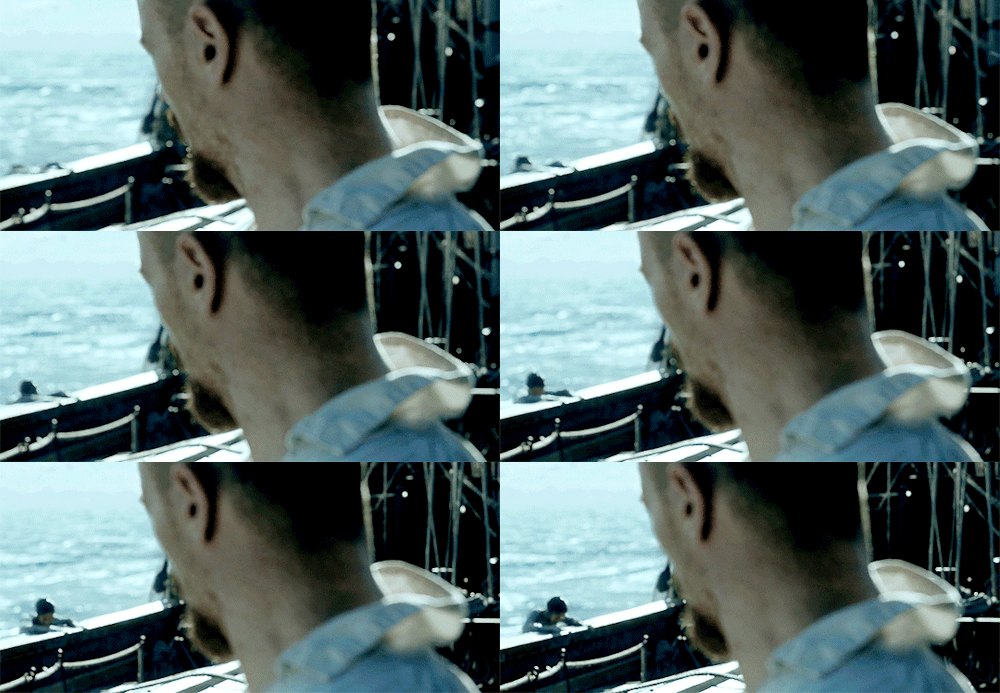
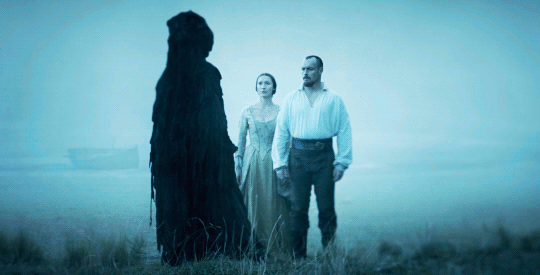
In Black Sails, Captain Flint’s trauma dreams feature his dead partner and friend following him around his empty ship. You have an element of the trauma (the animated corpse of his friend) + his daily existence (his ship). The two things intersect to form these unsettling nightmares as expressions of his fears and grief. He never once relives the event itself in his dreams as shown on screen.
Speaking of…
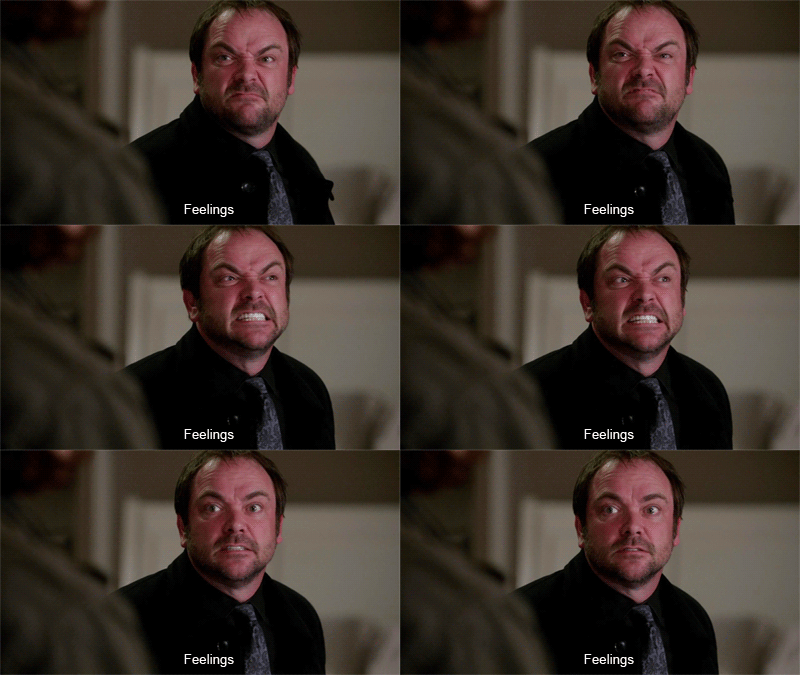
3) Trauma dreams often revolve around feelings, not necessarily the events themselves.
The PTSD package generally includes heaps of shame, guilt, anger and fear. As someone who survived a beating when I should have had control of the situation, my dreams tend to revolve around fear that people will know I’m a fraud or being unable to act in a dangerous situation.
Again, it’s entirely common for trauma victims to not remember large chunks (or the whole thing) of the trauma event. So why should their dreams be stunningly accurate? What we remember are feelings. Real strong feelings.
You cannot go wrong if you write your trauma dream around feelings, not a specific event.
4) If you present trauma dreams as expressions of themes, you can let go of the trauma dream as an exposition dump/way overused suspense trope.
You know you’ve read this: MC has dreams that are a shot-by-shot retelling of Traumatic Event that always cut off right before Traumatic Event, so that the Big Reveal must happen by a discovery later in the novel.
If I were the MC in a book, the easy and common thing would be to use the “dream sequence” as an expository retelling of Traumatic Event as a way to give some backstory to why I might be surly, mistrustful, afraid to try something new, whatever, and to clumsily shoehorn in suspense where there doesn’t need to be.
The much more interesting thing might be if my dreams were inconsistent in content but consistent in theme. In one I’m on an alien planet (because I fell asleep watching the Science Channel again) and the ground opens up and I fall into a pit from which I can’t escape because I am helpless. In another a man is watching me while I sleep where I am again frozen and helpless. This would force the reader to think: what is the recurring issue in these dreams? Why is it important? What is this telling me about this character and what happened to her?
It could be a personal preference, but I’d rather see the Traumatic Event either told in narrative flashbacks (not dreams) or verbally retold by the character in question. Let the dreams tell me something deeper about the character. It’s not that I was beat up, it’s that I feel like a failure because of it. One of these things is a shallow factual detail, the other tells you something about me as a person that I’m sharing with you, gentle reader, because talking about this stuff is healthy.
5) The Traumatic Event doesn’t have to be a big secret.
In Black Sails, we know what happened to Captain Flint’s partner. It happened in real time in the show. That didn’t make his uber disturbing dreams less disturbing or mysterious. Fans still debate exactly what the symbolism was and what they were telling us about James Flint in those moments. We do know from the dreams that he was disturbed, obsessed, and also monumentally guilty and blaming himself for what happened.
The mystery was perhaps more heightened by the fact that the dreams weren’t direct reflections of reality. We know who this person was, what she believed, and why she died. That Flint is imagining her screaming silently in his ear is horrifying and discordant with what we know to be factual. This adds emotional complexity to his character and the decisions he’s making while suffering these dreams.
^^^this didn’t happen. It was a dream. A real unsettling dream.
Once you let go of the concept of the trauma dream as a literal retelling and exposition dump, you have the entire dreamscape to work in other narrative elements, like symbolism, metaphor, foreshadowing, etc.
Describing a male love interest as an “Adonis” or “Greek God”
I mean, first of all, this is a lazy way to avoid describing how someone looks. I get that description isn’t easy for every writer to do, but this one thing is incredibly overused and relatively easy to cut out of the writing during the editing process.
Unless the person is literally a Greek God, and even if they are, maybe try to find a photo or drawn reference for the character’s features and use that when describing them.
Lest the previous point give the wrong impression, this does NOT mean waxing poetic about a character’s hair, eyes, and the outfit they’re wearing (down to their shoelaces) for several paragraphs.
I mean many of us are probably guilty of staring at a crush for too long, but infodumping details on a reader is going to bore them to tears and they’re much more likely to skim the material than remember it.
When introducing a character, try to space out the descriptive details a bit and work them into other parts of the story rather than when the reader first meets them. Look up one of the many writeblr guides on describing characters to see more detailed ideas on how to do this.
Also, please, please, please don’t keep repeating someone’s eye/hair/skin color several times unless it’s 100% relevant to the plot. I promise, the reader got it the first or second time.
Continued behind the cut:
Snooping on the love interest while they’re bathing/swimming/etc. and ogling their body in full detail
For a while, I hoped this creepy trope had died out by the mid-2000s, but then I saw it in fics published in 2015 onwards so, no, it has yet to be killed with fire. Blech.
First of all, I don’t care if your character is super attracted to their love interest: Creeping on them in a private moment kills the romantic vibe because it violates consent. How is the reader supposed to trust that consent won’t be violated in other ways?
In other words, if the love interest doesn’t consent to voyeuristic observation, don’t do it, because it isn’t romantic.
Once they do get close to becoming or have become a couple, protectiveness =/= possessiveness.
I kinda feel like there must be some confusion on the part of some writers between the two characteristics, but they are NOT the same. Also, the latter one is a big red flag of toxic relationships, not healthy ones.
Some protective characteristics: supports partner through crises, helps them if they are at risk of harm, knows when to express concern and offer help but (most importantly) knows when to back off and let their partner do things without their involvement.
Some possessive characteristics: knowing (and following) their partner’s every move, threatening to harm their partner or another person if the other person even makes eye contact with their partner, and refusing to back off when their partner wants to handle a problem on their own.
Treating romance as a magical band-aid for other personal problems
Okay, here’s a typical romantic plot I’ve seen: Girl meets Boy. Boy has mental health problems. Girl and Boy fall in love. Boy’s mental health problems magically disappear from the story.
Admittedly, I picked the more sexist version of this trope a la “I can fix him”, but it’s unfortunately common. I think mostly why it crops up so much is because a) some writers might wish it really was that easy and b) a failure to consider characters’ lives outside of their relationships.
Point being: Love is not a magic fix. If someone is dealing with serious problems at the beginning of a story, then they need to continue to deal with them after they have a partner, just like in real life, healthy relationships. Otherwise, the problem in the story just feels like a gimmick thrown in there to add angst.
*Based partly on years of reading romantic stories on fan sites and fictionpress, partly on my mild obsession with Meg Cabot that lasted through high school (I really, really, liked The Princess Diaries and Airhead and Teen Idol), and partly on other books, but dammit, I know an overused thing when I see it


 Rambles & Rabble
